Table of Contents
A shear wall is one of the most important structural elements used in modern construction to improve building stability and resistance against lateral forces such as wind loads and earthquakes. In large-scale commercial and industrial projects, shear walls are commonly integrated with reinforced concrete structures and foundation systems to maintain long-term building safety and performance.
Many contractors combine shear wall construction with heavy equipment planning to ensure proper lifting, material handling, and formwork installation throughout the project lifecycle.
What Is a Shear Wall?
A shear wall is a vertical structural element designed to resist horizontal forces acting on a building. Unlike columns and beams that primarily carry vertical loads, shear walls transfer lateral forces safely into the foundation system.
In structural engineering, shear walls are commonly defined as reinforced wall systems used to improve resistance against seismic and wind loads in buildings.
Shear walls are widely used in high-rise developments, warehouses, industrial facilities, and infrastructure projects where structural stability is critical.
Also read : Also Read: Types of Foundations Used in Construction Projects
How Does a Shear Wall Work?
When strong wind or seismic activity applies horizontal pressure to a building, shear walls absorb these forces and redirect them downward into the foundation. This process reduces building sway, limits cracking, and protects structural components from excessive stress.
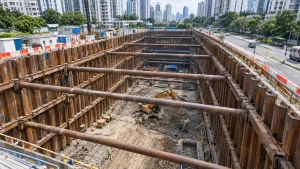
On major construction sites, shear wall installation is often coordinated with foundation preparation activities such as excavation and piling. These operations typically involve earthmoving equipment similar to those used in heavy construction equipment for large-scale site preparation.
Types of Shear Walls Used in Construction
Different building designs require different shear wall systems depending on load conditions and structural requirements.
Reinforced Concrete Shear Walls
Reinforced concrete shear walls are the most widely used type in high-rise and commercial construction. They offer high load-bearing capacity, fire resistance, and long-term durability.
Concrete shear wall construction often requires lifting equipment and access platforms. Contractors frequently use mobile cranes and access machinery similar to those applied in construction crane operations for structural lifting work.
Masonry Shear Walls
Masonry shear walls are constructed using concrete blocks or bricks combined with steel reinforcement. They are commonly applied in low-rise commercial buildings and industrial warehouses where moderate lateral resistance is required.
Steel Plate Shear Walls
Steel plate shear walls use thin steel panels installed within steel frames. These systems are popular in industrial and seismic retrofitting projects due to their energy absorption capability and flexibility.
Also Read: Types of Cranes Used in Construction and Industrial Projects
Where Are Shear Walls Commonly Used?
Shear walls are widely used across different construction sectors including:
- High-rise residential buildings
- Commercial office towers
- Industrial warehouses
- Parking structures
- Infrastructure facilities
During installation, contractors often rely on elevated access equipment for formwork assembly and inspection tasks. Access machines such as boom lifts and scissor lifts are commonly used in similar structural applications.
Shear Walls and Construction Equipment Integration
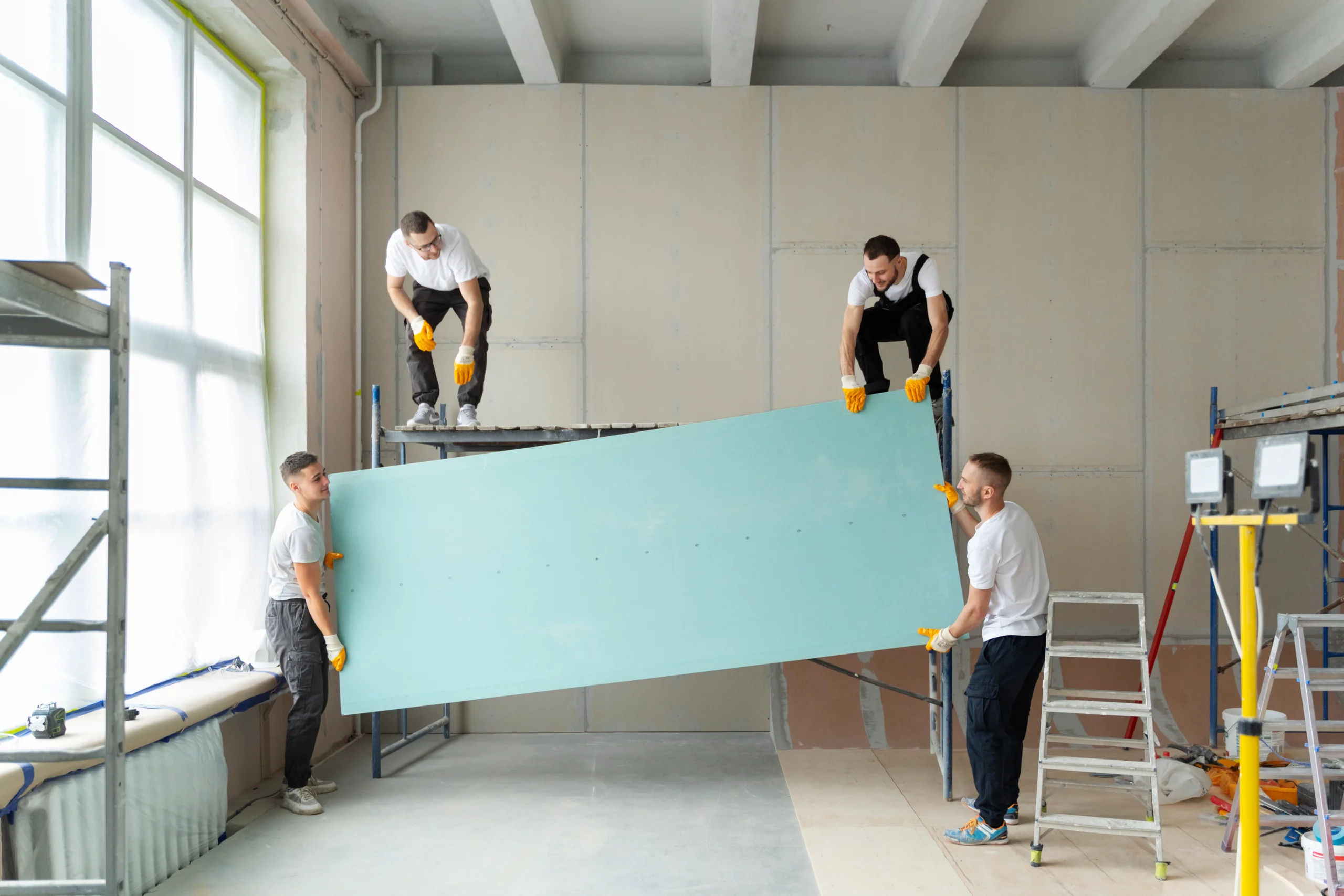
Efficient shear wall construction depends on proper equipment coordination. Concrete pumps, cranes, excavators, and access platforms are commonly used to support formwork installation, reinforcement placement, and concrete pouring.
Many project teams improve site productivity by working with professional machinery providers who offer flexible construction equipment rental solutions that match project timelines and workload requirements.
Shear Wall Design Considerations
When designing shear wall systems, engineers consider factors such as building height, soil condition, seismic zone, reinforcement layout, and foundation type.
Structural guidelines provided by engineering organisations such as the American Concrete Institute design standards are widely referenced for reinforced concrete wall construction practices.
Proper design and placement help prevent torsional effects and uneven load distribution within the structure.
Why Shear Walls Improve Long-Term Building Performance
Shear walls contribute to long-term building performance by reducing structural movement, improving durability, and lowering maintenance costs. Buildings with properly designed shear wall systems experience better resistance against environmental loads and extended service life.
This is especially important for industrial buildings that support heavy equipment operations and long-term material storage.
Also Read: Types of Construction Vehicles Used on Modern Worksites
Get Professional Construction Support with RR Machinery
Shear wall installation requires proper equipment selection, safe lifting operations, and reliable access solutions. Working with experienced construction equipment providers helps ensure smoother project execution and reduced downtime.
At RR Machinery, contractors can explore a wide range of construction machinery solutions designed to support structural projects and site operations.
For project enquiries and equipment planning assistance, you can also contact the RR Machinery team to discuss your construction requirements.

Thia Rahmani
Types of Steel Explained, and Where Each One Is Used in Construction