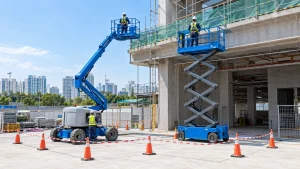
Understanding the scissor lift mechanism is essential for anyone working in construction, maintenance, or industrial operations. These machines are widely used to lift workers, tools, and materials safely to elevated areas, providing a stable platform for tasks at height.
Unlike other lifting equipment, scissor lifts operate using a unique crisscross structure that allows vertical movement. This design offers stability, efficiency, and ease of use, making it a preferred solution in many industries. In this guide, we’ll explore how the mechanism works, its key components, types, and why it plays a crucial role in modern operations.
What Is a Scissor Lift Mechanism?
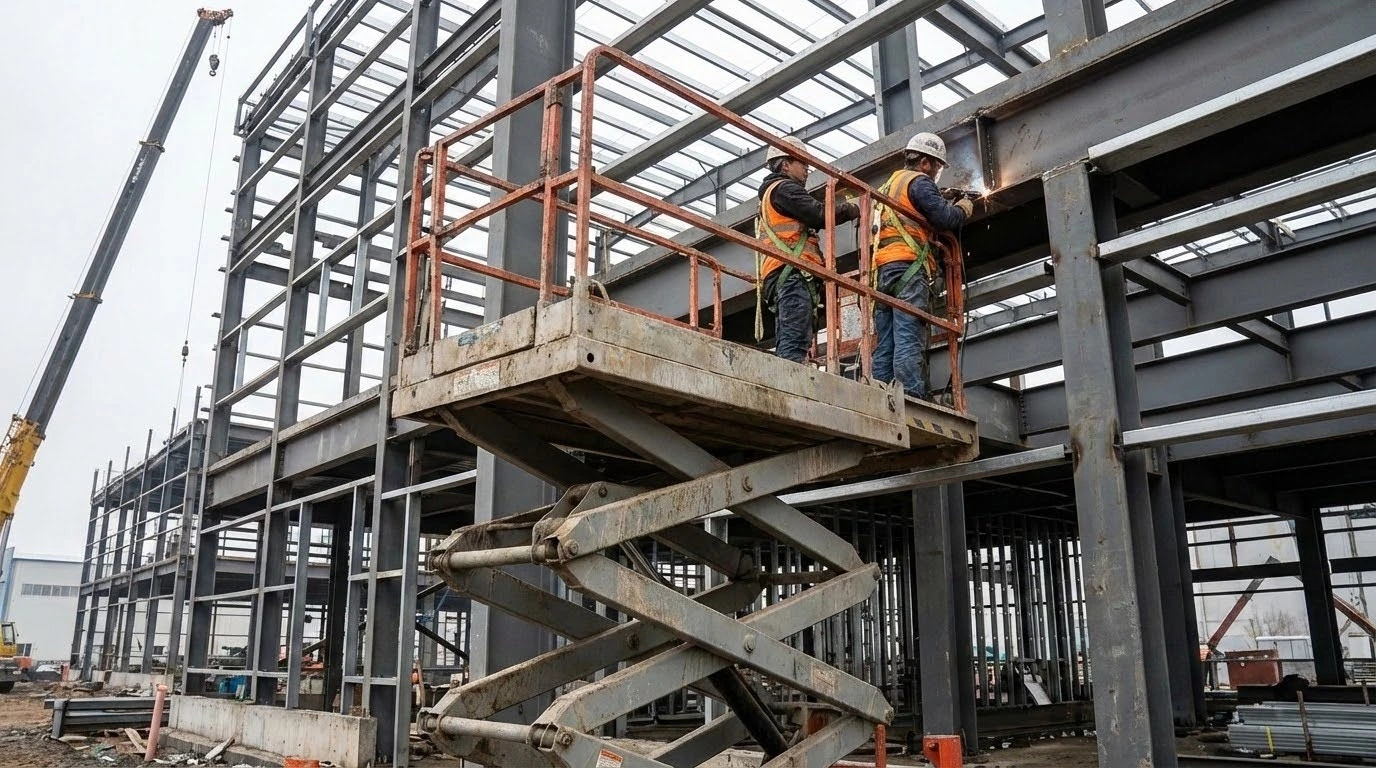
A scissor lift mechanism is a type of lifting system that uses linked, folding supports arranged in a crisscross pattern. When force is applied, the structure expands vertically, raising the platform upward.
This mechanism is powered by hydraulic, electric, or pneumatic systems depending on the type of scissor lift. The design ensures that the platform moves straight up and down, providing a stable working surface.
Because of its vertical-only movement, the scissor lift is ideal for tasks that require lifting straight upward without horizontal reach.
How Does a Scissor Lift Mechanism Work?
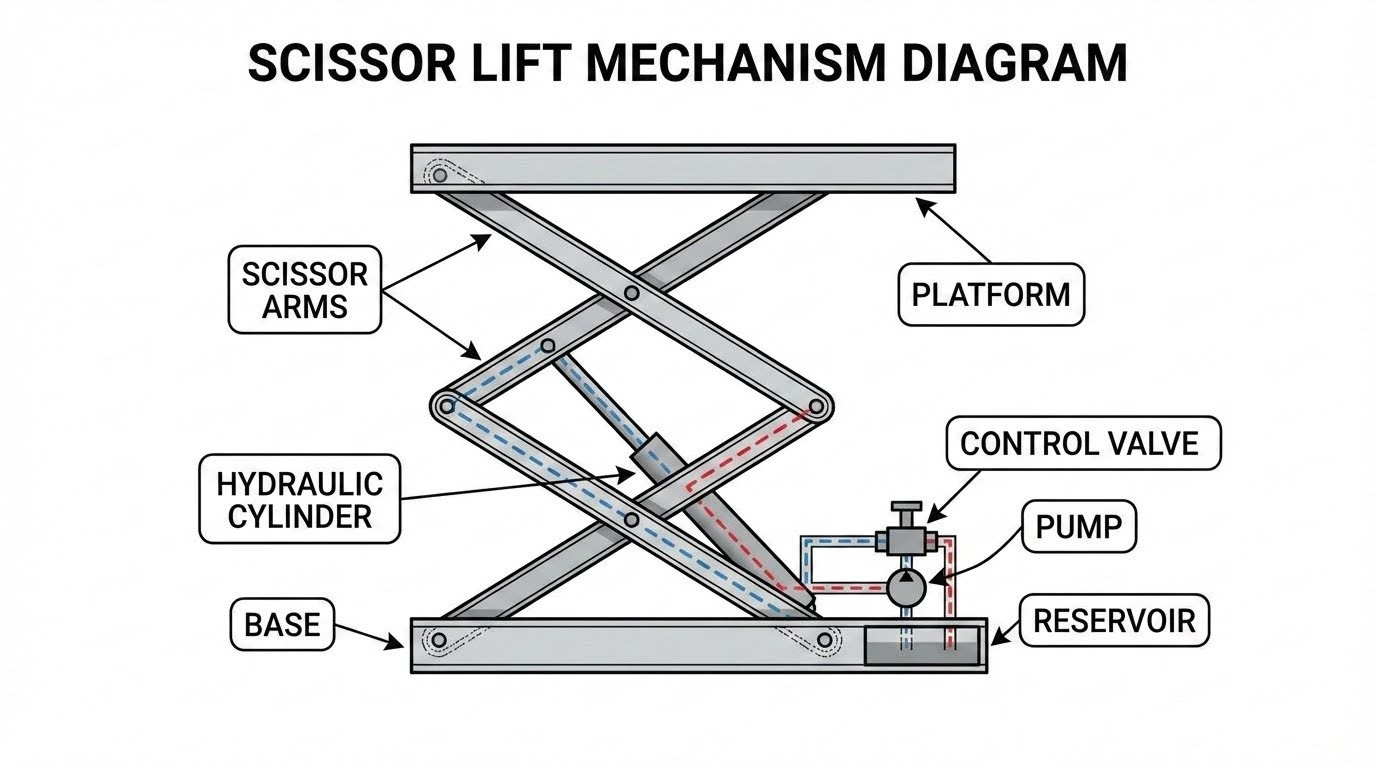
The scissor lift mechanism works by extending and contracting its linked supports, often referred to as “scissor arms.” These arms are connected in a way that allows them to open and close like a pair of scissors.
When the lifting system is activated:
- Hydraulic fluid or electric power pushes the arms outward
- The crisscross structure expands
- The platform rises vertically
When lowering:
- Pressure is released
- The arms retract
- The platform descends safely
This simple yet effective design allows for smooth and controlled lifting operations.
To better understand how scissor lifts fit within broader lifting systems, you can explore types of lifting equipment used in construction and industrial operations.
Also read : How to Operate a Scissor Lift Safely and Efficiently
Key Components of a Scissor Lift Mechanism
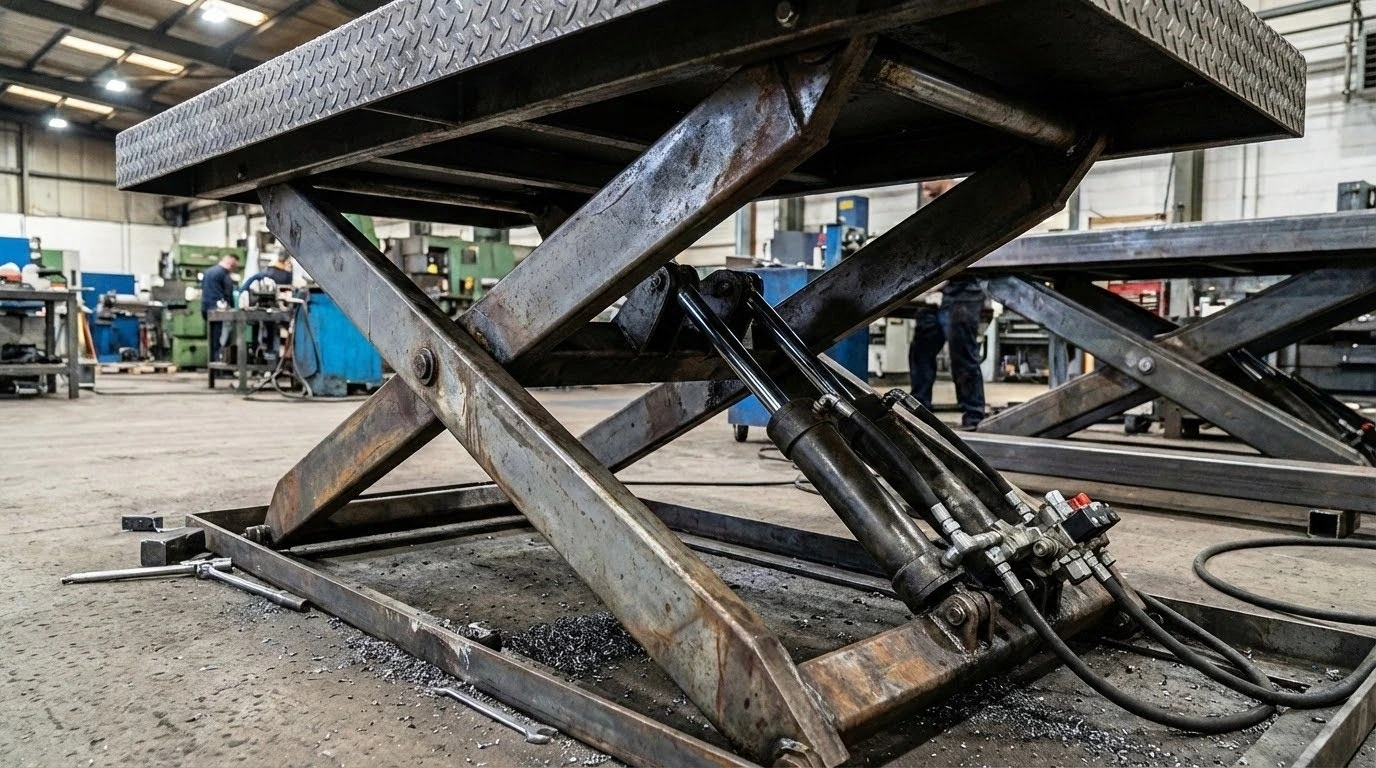
Understanding the components of a scissor lift helps explain how the mechanism functions efficiently.
Scissor Arms
These are the main structural elements that create the lifting motion. They are designed to handle heavy loads while maintaining stability.
Platform
The platform is where workers and tools are placed. It is equipped with guardrails and safety features.
Base Frame
The base provides support and houses the lifting system, ensuring balance and stability.
Hydraulic System
In most scissor lifts, hydraulic systems generate the force needed to raise and lower the platform.
Control System
Operators use control panels to manage movement, ensuring precise positioning during operation.
Types of Scissor Lift Mechanisms
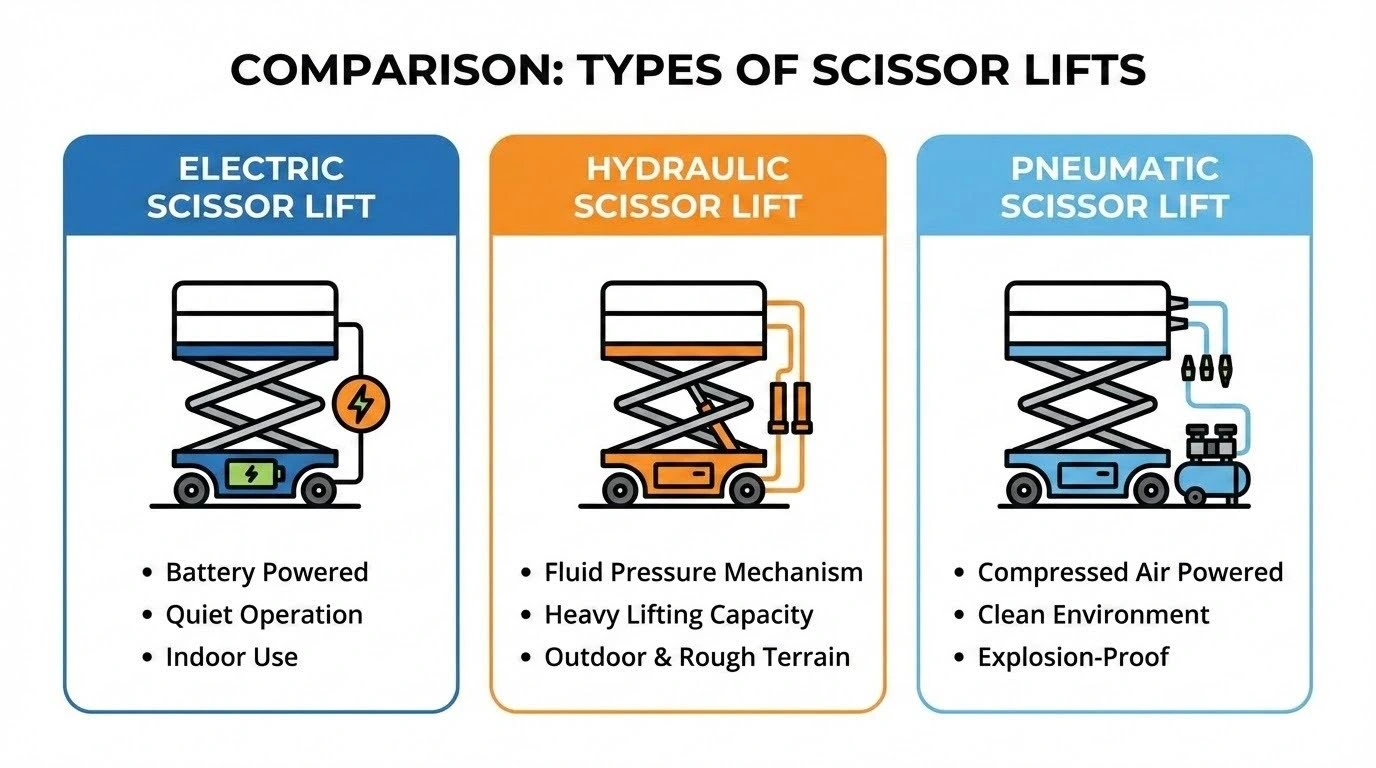
Different types of scissor lift mechanisms are available depending on the application and environment.
Hydraulic Scissor Lifts
These are the most common and use fluid pressure to lift the platform. They are reliable and widely used in construction and maintenance.
Electric Scissor Lifts
Electric models are ideal for indoor use due to their quiet operation and zero emissions.
Pneumatic Scissor Lifts
These use air pressure instead of hydraulic fluid and are suitable for environments where cleanliness is important.
Each type offers specific advantages based on operational needs.
Also read : Boom Lift vs Scissor Lift: What’s the Difference?
Advantages of the Scissor Lift Mechanism
The scissor lift mechanism provides several benefits that make it a popular choice across industries.
Stability
The vertical lifting design ensures a stable working platform, even at higher elevations.
Load Capacity
Scissor lifts can handle multiple workers and heavy tools simultaneously.
Ease of Operation
Simple controls make these machines user-friendly and efficient.
Safety Features
Modern scissor lifts include guardrails, emergency stop functions, and overload protection systems.
Common Applications of Scissor Lifts
Scissor lifts are used in a wide range of industries due to their versatility.
Construction
Used for installation, painting, and structural work at height.
Warehousing
Helps workers access high storage areas safely.
Maintenance
Ideal for repair, inspection, and cleaning tasks.
Industrial Operations
Used for equipment installation and servicing.
For a deeper understanding of elevated work platforms, you can read more about what is an aerial lift and how it is used in modern industries.
Safety Considerations When Using Scissor Lifts
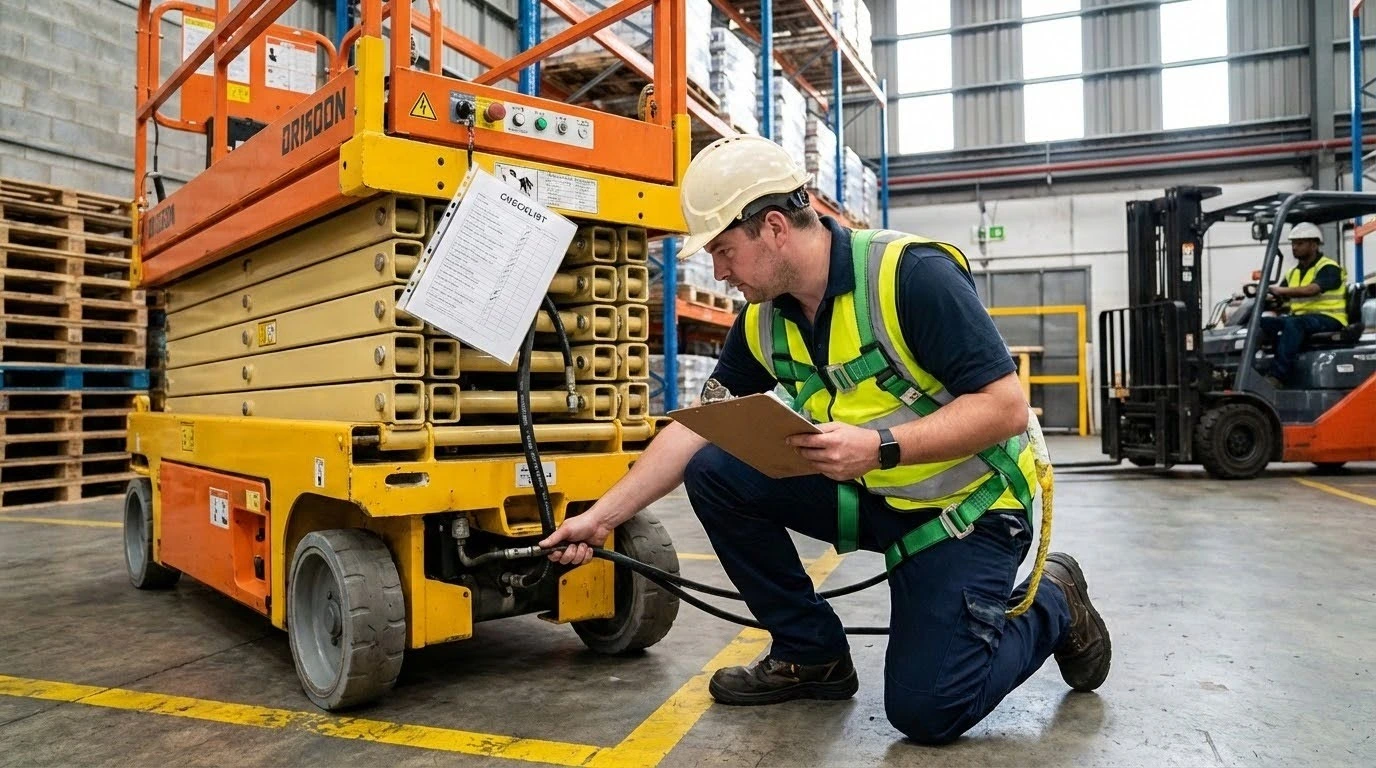
Safety is critical when operating any lifting equipment. Proper usage of a scissor lift mechanism helps prevent accidents and ensures smooth operations.
Key safety tips include:
- Always inspect equipment before use
- Ensure the lift is on stable, level ground
- Do not exceed load capacity
- Use proper safety gear
Understanding lifting equipment safety tips for safer workplace operations can significantly reduce risks and improve safety outcomes.
Additionally, following established guidelines such as working load limit standards for lifting equipment safety ensures compliance with safety regulations.
Maintenance and Inspection of Scissor Lift Mechanisms
Routine maintenance is essential for ensuring reliable performance and extending equipment lifespan.
Maintenance tasks include:
- Checking hydraulic systems
- Inspecting structural components
- Testing control systems
- Replacing worn parts
Preventive maintenance helps reduce downtime and ensures consistent performance.
Scissor Lift Mechanism vs Other Lifting Systems
Compared to other lifting systems, scissor lifts offer unique advantages.
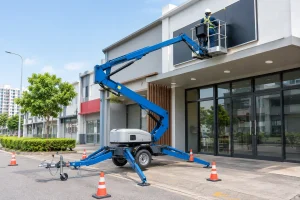
Compared to Boom Lifts
- More stable
- Limited horizontal reach
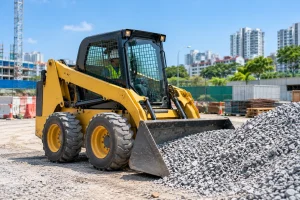
Compared to Forklifts
- Designed for lifting people rather than materials
- Provides a safer elevated platform
Understanding these differences helps businesses choose the right equipment for their needs.
Future Trends in Scissor Lift Technology
Advancements in technology continue to improve scissor lift mechanisms. Modern innovations include:
- Electric-powered systems
- Smart control features
- Enhanced safety monitoring
- Energy-efficient designs
These developments aim to improve efficiency, reduce environmental impact, and enhance operator safety.
Also read : Construction Equipment Names and Machinery Guide for Building Construction
Reliable Equipment Solutions for Your Operations
Understanding the scissor lift mechanism helps businesses operate more efficiently and safely when working at height. By choosing the right equipment, following safety practices, and maintaining machinery properly, companies can improve productivity while minimizing risks.
If you are looking for reliable scissor lift solutions and professional equipment support, explore our available services to find the right solution for your operational needs, or contact us for expert guidance and tailored support to ensure safe and efficient performance.