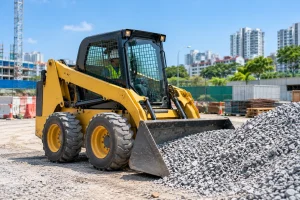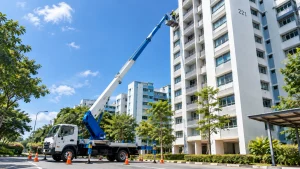

Understanding the differences between mobile crane vs tower crane equipment is essential for selecting the right lifting solution in construction projects. Both machines are widely used for lifting heavy materials, but they serve different purposes depending on project scale, site conditions, and lifting requirements.
Construction sites rely on efficient lifting equipment to transport heavy materials safely and quickly. Choosing the correct crane type improves project productivity, reduces operational risks, and ensures better coordination across construction phases.
Mobile cranes provide flexibility and mobility, while tower cranes offer exceptional height and lifting capacity for large-scale building projects. Knowing when and where to use each type helps contractors optimize equipment selection and site efficiency.
What Is a Mobile Crane?
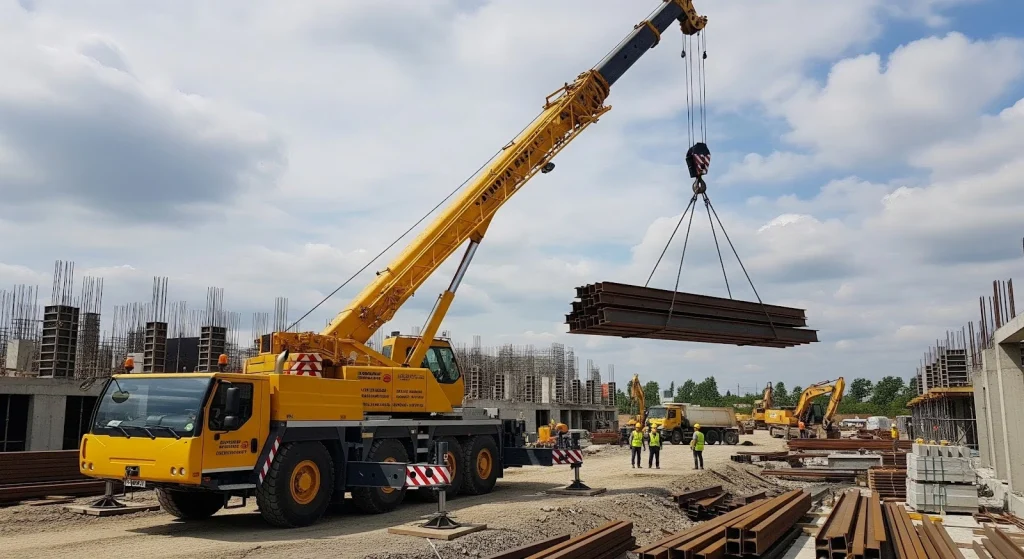
A mobile crane is a versatile lifting machine mounted on a wheeled or tracked chassis, allowing it to move easily around construction sites. Unlike stationary cranes, mobile cranes can travel between different job locations without requiring extensive assembly.
Mobile cranes are commonly used for:
- Construction material lifting
- Infrastructure projects
- Equipment installation
- Short-term lifting operations
Because of their mobility, these cranes are particularly useful for projects that require frequent repositioning or temporary lifting solutions.
Modern construction sites often integrate mobile cranes with broader construction equipment used in earthmoving and infrastructure projects to improve operational workflow and material handling efficiency.
Also read : Rough Terrain Crane: Features, Applications, and Benefits
What Is a Tower Crane?
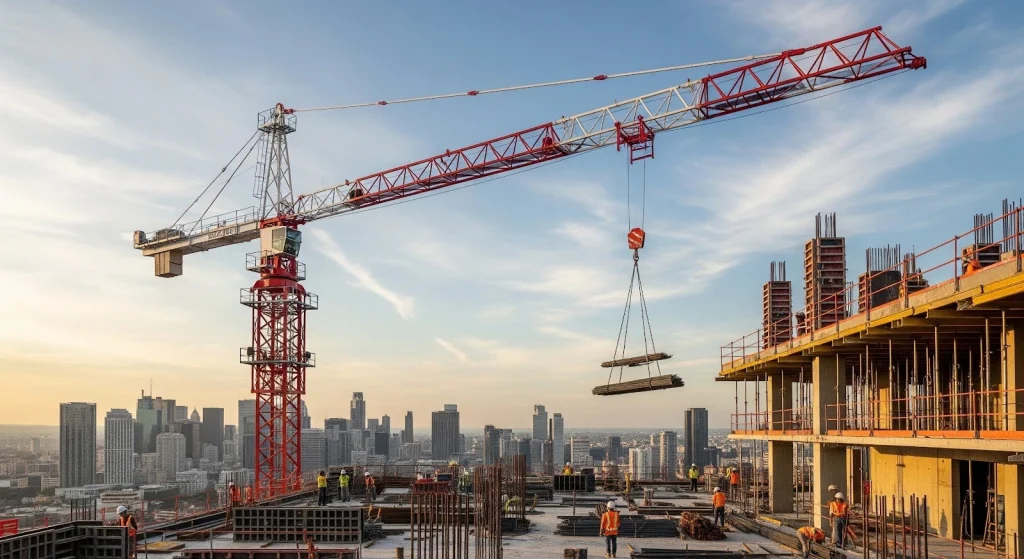
A tower crane is a fixed crane designed for high-rise construction and large infrastructure projects. It consists of a vertical tower structure with a horizontal jib that rotates to lift materials across wide construction areas.
Tower cranes are commonly used for:
- High-rise building construction
- Large infrastructure projects
- Long-term lifting operations
- Transporting heavy construction materials to upper floors
Because of their height and lifting capacity, tower cranes are ideal for projects where materials must be lifted to extreme heights.
Mobile Crane vs Tower Crane: Key Differences
While both cranes perform lifting operations, they differ significantly in design, mobility, and project suitability.
Mobility
Mobile cranes are designed to move easily around a construction site. They can travel on roads or site surfaces and reposition quickly for different lifting tasks.
Tower cranes, on the other hand, are fixed in place and require installation before construction begins. Once assembled, they remain stationary throughout the project.Setup and Installation
Mobile cranes require minimal setup and can begin lifting operations shortly after arriving on site. This makes them suitable for short-term projects or emergency lifting tasks.
Tower cranes require complex installation, including foundation preparation and assembly of the tower sections. However, once installed, they provide exceptional lifting capabilities for large projects.Lifting Height
Tower cranes are specifically designed for high-rise construction. Their vertical tower structure allows them to reach extreme heights, making them ideal for skyscraper projects.
Mobile cranes have limited height compared to tower cranes but provide excellent flexibility for lifting tasks closer to ground level.Lifting Capacity
Both crane types can lift heavy loads, but tower cranes typically handle heavier materials at greater heights.
Mobile cranes are better suited for medium to heavy loads where mobility and quick setup are required.Also read : Forklift Maintenance: Essential Tips for Safe and Efficient Operations
Project Duration
Mobile cranes are commonly used for short-term lifting tasks such as equipment installation, material transport, and infrastructure maintenance. Tower cranes are typically installed for the entire duration of large construction projects, particularly high-rise developments.
Advantages of Mobile Cranes
Mobile cranes offer several advantages that make them valuable in many construction environments.
Flexibility and Mobility
Mobile cranes can travel between job sites and reposition easily within construction areas.
Quick Setup
They require minimal assembly and can begin lifting operations quickly.
Versatile Applications
Mobile cranes are suitable for various industries, including construction, logistics, and industrial installations.
These advantages make mobile cranes essential for projects requiring flexibility and fast deployment.
Advantages of Tower Cranes
Tower cranes provide several benefits for large-scale construction projects.
Exceptional Height Capability
Tower cranes can lift materials to extreme heights, making them ideal for high-rise construction.
Large Coverage Area
Their rotating jib allows materials to be transported across wide construction sites.
Heavy Lifting Capacity
Tower cranes can handle heavy loads while maintaining stability at high elevations.
These advantages make tower cranes indispensable for major infrastructure and commercial developments.
When to Use a Mobile Crane
Mobile cranes are best suited for projects requiring:
- Temporary lifting solutions
- Frequent equipment relocation
- Infrastructure maintenance
- Industrial installations
They are often used alongside other heavy machinery involved in construction operations to support site preparation and material transport.
When to Use a Tower Crane
Tower cranes are ideal for projects involving:
- High-rise construction
- Large commercial developments
- Long-term construction sites
- Continuous material lifting operations
Because of their height and reach, tower cranes play a central role in modern urban construction projects.
Safety Considerations for Crane Operations
Operating cranes requires strict safety procedures to prevent accidents and ensure efficient lifting operations.
Key safety practices include:
- Conducting pre-operation inspections
- Following load capacity limits
- Ensuring stable ground conditions
- Using trained and certified operators
- Maintaining clear communication on site
International safety authorities provide guidelines to ensure safe crane operation and reduce workplace risks. Construction teams can follow established crane safety standards and lifting regulations to improve safety compliance and prevent lifting accidents in construction environments.
Also read : Types of Compactors and Their Uses in Construction Projects
Choosing the Right Crane for Your Project
Selecting between a mobile crane and a tower crane depends on several factors:
- Project size and duration
- Required lifting height
- Load capacity requirements
- Site accessibility
- Construction timeline
Careful planning helps project managers select the most efficient lifting solution for their construction needs.
Many projects combine multiple lifting machines alongside various construction equipment used in modern building projects to ensure efficient workflow across the site.
Professional Lifting Support
Understanding the differences between mobile crane vs tower crane equipment helps contractors choose the right lifting solution for their construction projects. Mobile cranes offer flexibility and quick deployment, while tower cranes provide exceptional height and lifting capacity for large developments.
Reliable lifting equipment and professional support play an important role in maintaining safe and efficient construction operations. If your project requires dependable machinery solutions or expert guidance in selecting construction equipment, contact us today to discuss your project requirements and receive professional assistance tailored to your operational needs.