Understanding the different classes of forklifts is essential for improving safety, efficiency, and productivity in warehouses, construction sites, and industrial environments. Forklifts are classified based on power source, design, and operational function, allowing businesses to choose the most suitable equipment for specific material handling needs.
Each forklift class is designed for particular applications, ranging from indoor warehouse operations to heavy-duty outdoor lifting tasks. Selecting the correct forklift class ensures better load handling, improved safety compliance, and optimal equipment performance.
In modern operations, forklift planning is often integrated with broader equipment coordination strategies to ensure smooth workflow, efficient material movement, and safer working environments.
What Are Forklift Classes?
Forklift classes are standardized categories that classify forklifts according to their design, power system, and intended use. These classifications help operators, technicians, and businesses select the right equipment based on lifting capacity, operating environment, and terrain conditions.
Forklift classification improves:
- Equipment selection accuracy
- Workplace safety
- Operational efficiency
- Maintenance planning
- Load handling performance
Understanding these categories helps reduce equipment misuse and workplace risks.
Main Classes of Forklifts
Below are the commonly recognized forklift classes used across industrial and construction operations.
Class I — Electric Motor Rider Forklifts

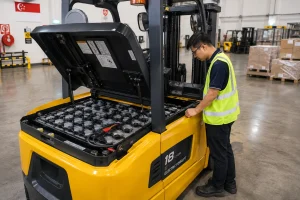
Class I forklifts are electric-powered and designed for indoor warehouse use. They offer low emissions, quiet operation, and efficient maneuverability in confined spaces.
Common applications:
- Warehouse operations
- Indoor material handling
- Pallet movement
- Manufacturing facilities
Electric forklifts are ideal for environments requiring clean and quiet operation.
Also read : Workplace Safety Tips for Construction and Industrial Environments
Class II — Electric Motor Narrow Aisle Forklifts

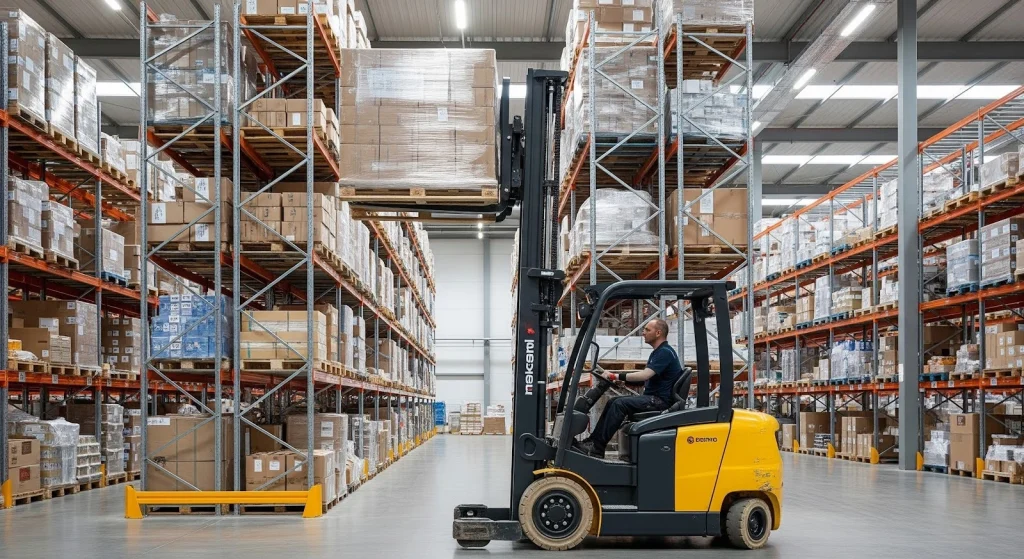
Class II forklifts are designed for narrow aisle operations and high-density storage systems. They allow efficient material handling in tight warehouse layouts.
Common applications:
- High-rack warehouses
- Narrow aisle storage systems
- Distribution centers
Their compact design improves space utilization and productivity.
Class III — Electric Motor Hand Trucks and Pallet Jacks
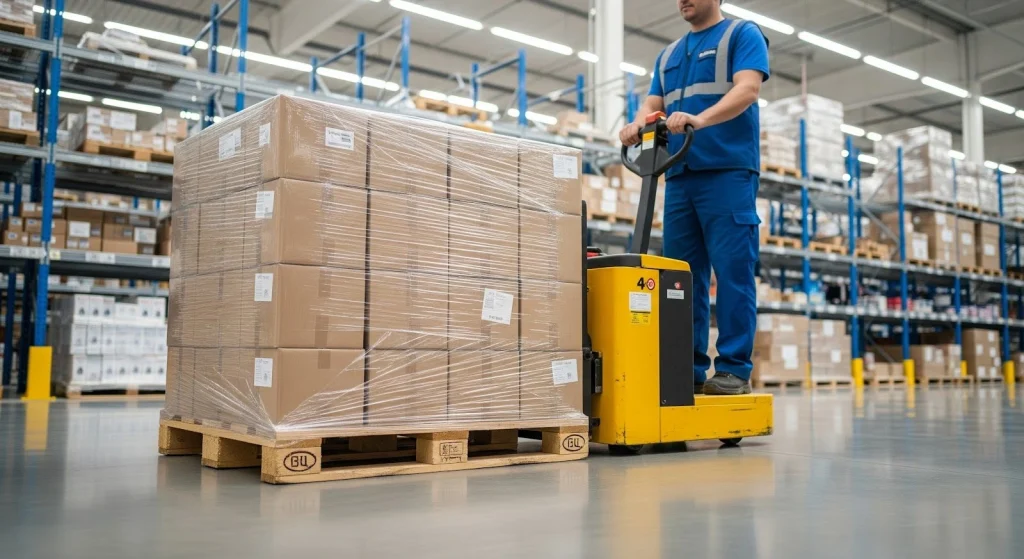
Class III forklifts include electric pallet jacks and walkie stackers designed for low-lift operations.
Common applications:
- Short-distance material transport
- Warehouse loading and unloading
- Retail and storage facilities
These machines are simple, efficient, and suitable for light-duty tasks.
Class IV — Internal Combustion Forklifts (Cushion Tires)
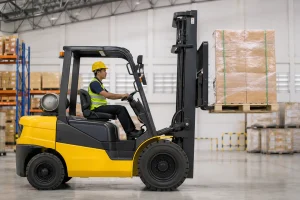
Class IV forklifts use internal combustion engines and are equipped with cushion tires for smooth indoor surfaces.
Common applications:
- Manufacturing plants
- Indoor industrial environments
- Smooth floor operations
They provide higher lifting capacity compared to electric forklifts.
Class V — Internal Combustion Forklifts (Pneumatic Tires)

Class V forklifts are heavy-duty machines designed for outdoor use and rough terrain conditions. They use pneumatic tires for better traction and stability.
Common applications:
- Construction sites
- Outdoor material handling
- Heavy load lifting
- Industrial yards
These forklifts are widely used for demanding applications requiring durability and power.
Class VI — Electric and Internal Combustion Tow Tractors
Class VI forklifts are designed for towing rather than lifting. They are commonly used to pull loads across warehouses and industrial facilities.
Common applications:
- Logistics and transport operations
- Airport cargo movement
- Industrial towing
These machines improve operational efficiency in large facilities.
Also read : Types of Scaffolding Used in Construction Projects
Class VII — Rough Terrain Forklifts
Class VII forklifts are specifically designed for outdoor environments and uneven terrain. They provide strong traction and stability for heavy-duty operations.
Common applications:
- Construction projects
- Agricultural operations
- Outdoor material transport
Rough terrain forklifts are built for durability and challenging working conditions.
Choosing the Right Forklift Class
Selecting the correct forklift class depends on several operational factors:
- Indoor vs outdoor environment
- Load capacity requirements
- Terrain conditions
- Fuel type and emissions
- Space constraints
- Operational efficiency
Proper equipment planning improves safety, reduces downtime, and enhances productivity. Many businesses align forklift selection with broader equipment management and construction workflow strategies to ensure smooth operations across material handling and lifting tasks.
Safety Considerations for Forklift Operations
Forklift safety standards are essential in preventing workplace accidents and ensuring reliable performance. Operators must follow safety guidelines and conduct routine inspections before operating equipment.
Key safety practices include:
- Pre-operation equipment checks
- Load capacity compliance
- Proper operator training
- Safe driving practices
- Clear workplace communication
Global occupational safety organizations provide guidelines to improve forklift safety and reduce operational risks.
Benefits of Using the Correct Forklift Class
Using the appropriate forklift class provides several advantages:
- Improved material handling efficiency
- Reduced equipment wear
- Enhanced workplace safety
- Better operational productivity
- Lower maintenance costs
Strategic equipment selection ensures long-term operational success.
Also read : Backhoe vs Excavator: Key Differences, Uses, and How to Choose
The Role of Forklifts in Modern Material Handling
Forklifts remain essential in modern logistics, construction, and industrial operations. With advancements in electric power systems, ergonomic design, and safety features, modern forklifts offer improved efficiency, precision, and environmental performance.
When integrated with broader material handling and equipment planning strategies, forklifts help streamline workflow and improve productivity across various industries.
Improve Efficiency with the Right Forklift Solutions
Understanding the different classes of forklifts helps businesses select the right equipment for safe, efficient, and reliable material handling operations. From electric warehouse forklifts to heavy-duty rough terrain machines, each class serves specific operational needs.
Reliable equipment and professional support are essential for maintaining safe and efficient operations. If you require dependable forklift solutions, expert guidance, or a tailored quotation for your operations, contact us today to discuss your requirements and receive professional support designed to improve your material handling performance.