Understanding the difference between a backhoe vs excavator is essential for contractors, equipment operators, and project planners who want to choose the right machine for excavation, trenching, and construction work. Although both machines are widely used in construction and earthmoving, they are designed for different purposes, working environments, and levels of digging power.
Selecting the correct equipment not only improves productivity but also ensures safer and more efficient operations. Choosing between a backhoe and an excavator depends on factors such as project size, terrain, mobility needs, and lifting capacity. For a broader overview of heavy machinery selection and applications, many professionals explore practical insights from construction equipment planning and machine selection strategies commonly used in modern job sites.
What Is a Backhoe?
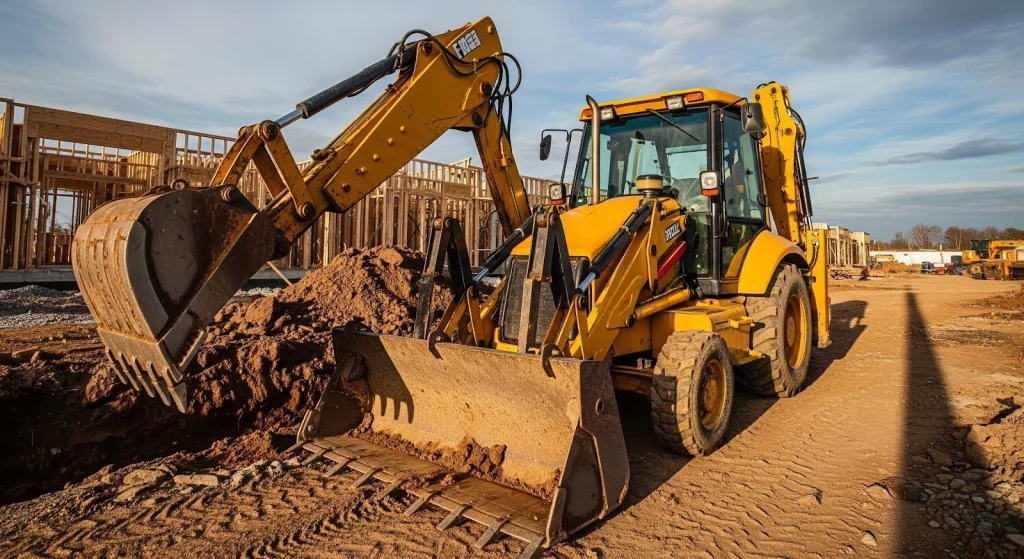
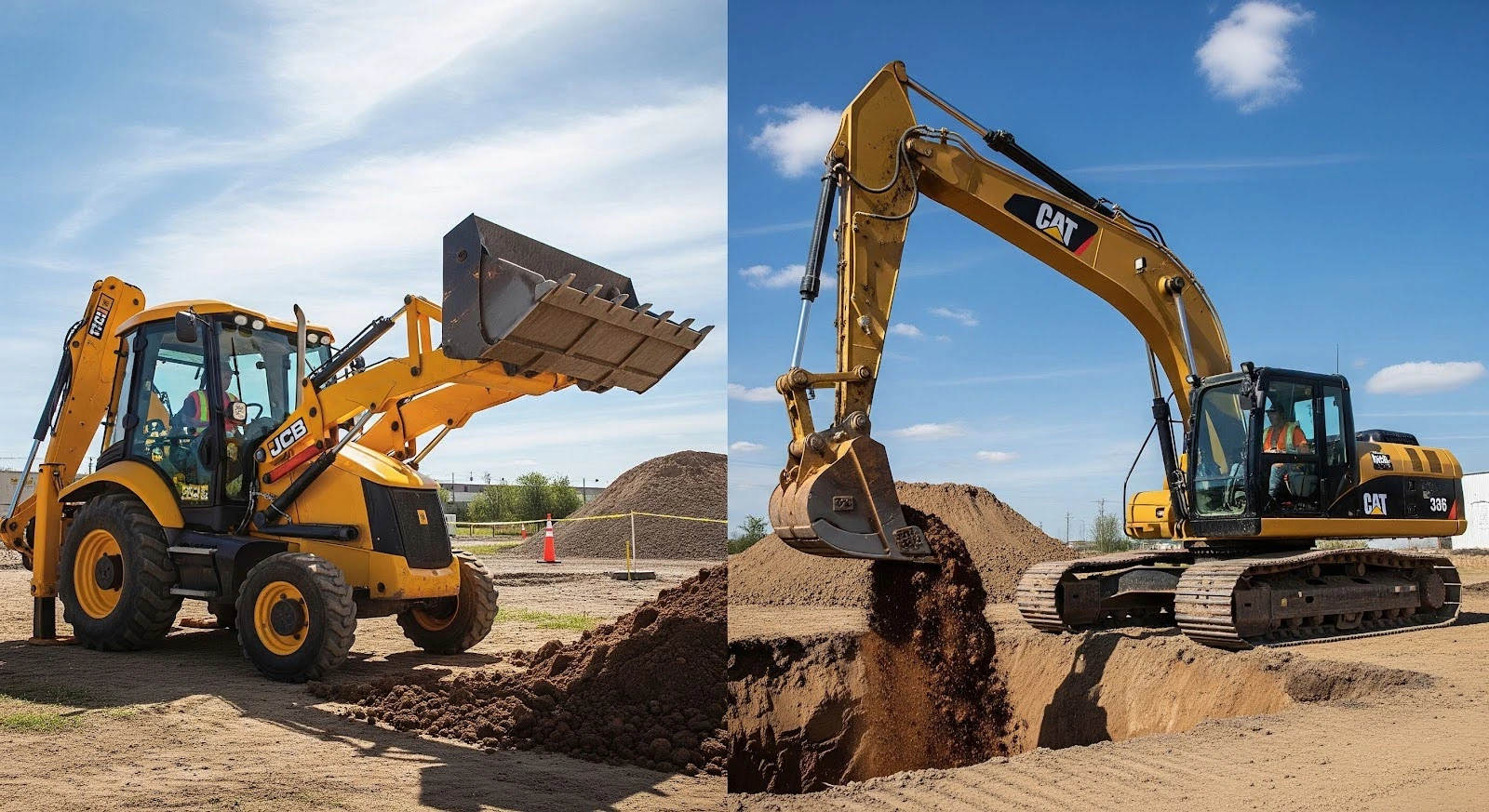
A backhoe, often referred to as a backhoe loader, is a versatile piece of construction equipment that combines three main functions: digging, loading, and transporting materials. It features a digging bucket at the rear and a loader bucket at the front, allowing operators to perform multiple tasks using one machine.
Backhoes are commonly used in small-to-medium construction projects, road maintenance, utility trenching, landscaping, and light earthmoving. Their compact design makes them ideal for urban environments, confined spaces, and areas requiring high maneuverability.
Because of their versatility, backhoes are often chosen for projects that require both excavation and material handling without switching equipment. Contractors working on smaller job sites frequently rely on multipurpose machinery to improve efficiency and reduce operational costs.
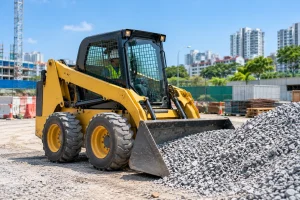
Also read : Different Types of Forklifts and Their Uses in Construction and Industrial Operations
What Is an Excavator?
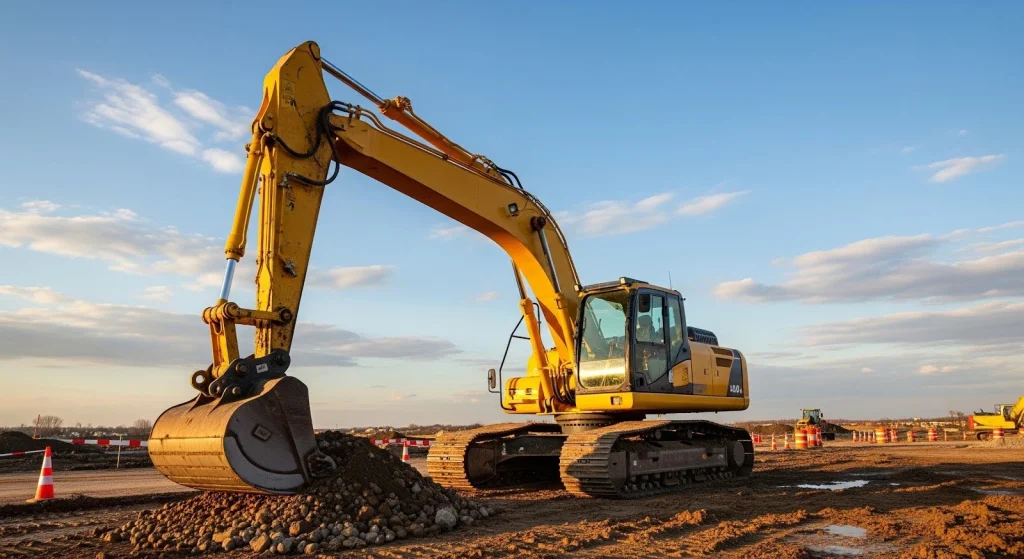
An excavator is a powerful heavy-duty machine designed primarily for digging, trenching, lifting, and large-scale earthmoving operations. It features a rotating cab, long boom arm, and bucket attached to a tracked or wheeled undercarriage, allowing it to operate efficiently in demanding environments.
Excavators are widely used in large construction projects, mining, demolition, deep excavation, and heavy material handling. Their superior digging depth, lifting capacity, and stability make them ideal for large-scale operations requiring precision and strength.
Unlike backhoes, excavators specialize in excavation tasks and are often selected for projects where deep digging, heavy lifting, and continuous operation are required.
Key Differences Between Backhoe and Excavator
Understanding the major differences between these machines helps contractors choose the most suitable equipment for their project requirements.
Machine Design and Structure
Backhoes combine a loader and excavator arm into a single machine, making them multifunctional and compact. Excavators, on the other hand, are dedicated digging machines with a rotating platform that allows 360-degree movement for continuous excavation.
Digging Power and Depth
Excavators provide significantly greater digging depth and power compared to backhoes. They are designed for heavy excavation and can handle large volumes of soil, rock, and debris efficiently.
Backhoes are better suited for shallow digging, trenching, and light excavation tasks.
Mobility and Flexibility
Backhoes are typically mounted on wheels, allowing them to travel quickly between locations without additional transport. This makes them ideal for roadwork and urban construction.
Excavators are usually tracked machines, providing better stability and performance on rough or uneven terrain but requiring transport for long-distance relocation.
Versatility
Backhoes are more versatile because they can dig, load, lift, and transport materials. Excavators are specialized machines primarily used for digging and heavy earthmoving.
Project Size Suitability
Backhoes are commonly used in small-to-medium projects, while excavators are preferred for large-scale construction, deep excavation, and heavy industrial operations.
When to Use a Backhoe
Backhoes are ideal for projects requiring flexibility and mobility. Common applications include:
- Utility trenching and pipe installation
- Landscaping and small excavation
- Road repair and maintenance
- Light material handling
- Loading and transporting soil or debris
Backhoes are particularly useful in urban environments where space is limited and equipment must perform multiple tasks efficiently.
Also read : Parts of a Crane Explained: Key Components and Functions
When to Use an Excavator
Excavators are the preferred choice for heavy-duty excavation and large construction operations. Typical uses include:
- Deep excavation and foundation work
- Large-scale earthmoving projects
- Demolition and heavy lifting
- Mining and quarry operations
- Large infrastructure construction
For projects involving extensive digging and continuous heavy work, excavators provide superior performance and durability.
Advantages of Backhoes
- Multi-functional equipment
- Easy to transport and maneuver
- Cost-effective for smaller projects
- Suitable for confined spaces
- Efficient for light-to-medium excavation
Advantages of Excavators
- Powerful digging performance
- Greater lifting capacity
- Ideal for large-scale construction
- Better stability on rough terrain
- Continuous operation for heavy workloads
Choosing Between Backhoe vs Excavator
Selecting the right equipment depends on several key factors:
- Project size and scope
- Required digging depth
- Terrain and working conditions
- Mobility needs
- Budget and operational efficiency
For contractors managing mixed workloads, equipment selection often involves evaluating long-term productivity, safety, and operational costs. Many industry professionals also review insights from earthmoving equipment performance and construction efficiency planning to support decision-making.
Safety and Operational Considerations
Both backhoes and excavators must be operated following strict safety guidelines to prevent accidents and ensure efficient performance. Proper operator training, regular equipment inspection, and adherence to load limits are essential for maintaining safe operations.
Modern construction practices emphasize preventive maintenance, equipment monitoring, and proper machine selection to improve safety and reduce downtime across construction and industrial environments.
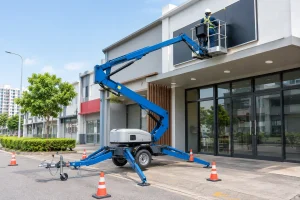
Also read : Types of Aerial Work Platforms and When to Use Them
Maintenance and Long-Term Efficiency
Regular maintenance plays a crucial role in extending equipment lifespan and maintaining performance. Routine inspections of hydraulic systems, engine components, and structural parts help prevent unexpected breakdowns and ensure reliable operation.
Proper servicing also contributes to fuel efficiency, reduced wear and tear, and improved machine safety during demanding operations.
Get Reliable Equipment and Expert Support
Understanding the differences between backhoe vs excavator helps contractors and project managers select the right machine for improved productivity, safety, and long-term efficiency. While backhoes provide versatility and mobility for smaller projects, excavators deliver powerful digging performance for large-scale construction and heavy earthmoving operations.
Choosing the right equipment is only part of ensuring smooth and efficient operations. Reliable machinery, proper handling, and professional support play a key role in improving productivity, minimizing downtime, and maintaining safe performance across different project environments.
For businesses seeking dependable heavy equipment solutions, access to professional machinery support and reliable construction equipment can significantly enhance operational efficiency and project performance. If you need expert guidance, equipment recommendations, or a tailored quotation, contact us today to discuss your requirements and receive professional support for your next project.