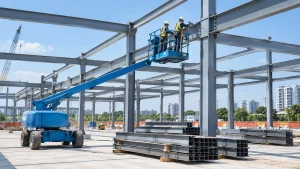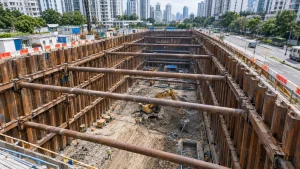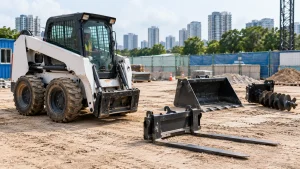

Earth moving equipment plays a vital role in modern construction, mining, and infrastructure development. These powerful machines are designed to move, transport, and reshape large volumes of soil, rocks, and other materials efficiently. From excavation to grading and material handling, earth moving equipment helps improve productivity, reduce manual labor, and ensure projects are completed on time.
In large-scale construction environments, selecting the right heavy machinery directly impacts operational efficiency, safety, and project costs. Many contractors rely on professional equipment providers offering dependable heavy equipment solutions to ensure smooth operations and long-term reliability.
For a broader understanding of equipment usage in modern construction, earth moving machinery forms the backbone of most heavy-duty operations.
What Is Earth Moving Equipment?
Earth moving equipment refers to heavy machines specifically designed to excavate, transport, load, and level soil or rock. These machines are commonly used in construction, road building, mining, landscaping, and infrastructure projects.
They help convert raw land into functional construction sites by enabling fast and efficient material movement. Compared to manual labor, earth moving equipment significantly reduces project duration while increasing precision and safety.
To better understand how machinery contributes to construction productivity and operational efficiency, proper equipment selection and maintenance are essential.
Common Types of Earth Moving Equipment
Different types of earth moving equipment are designed for specific tasks. Choosing the correct machine ensures maximum efficiency and safety.
-
Excavators

Excavators are among the most widely used earth moving machines. They are primarily used for digging trenches, foundations, and large holes. With a rotating cab and hydraulic arm, excavators provide flexibility and precision that few other earthmoving machines can match, since the upper structure can rotate independently of the tracks below to dig and dump material without repositioning the entire machine between cycles. Excavators are available across a wide range of sizes, from compact machines suited to confined residential sites through to large mining-class units, a distinction covered in more detail in Excavator Sizes: A Complete Classification Guide.
Also read: Biggest Excavator in the World: Size and Specs Guide
Common uses:
- Excavation and trenching
- Demolition work
- Material handling
- Mining operations
-
Bulldozers

Bulldozers are powerful machines equipped with a large front blade used to push soil, debris, and heavy materials. They are ideal for clearing land, leveling surfaces, and road construction. Their tracked undercarriage provides the traction and stability needed to push through dense or compacted material that a wheeled machine would struggle to move, while the blade itself can be angled or tilted on many models to grade a surface precisely rather than simply pushing material in a straight line.
Key functions:
- Land clearing
- Surface leveling
- Heavy pushing operations
- Construction site preparation
-
Wheel Loaders
Wheel loaders are designed to move loose materials such as soil, gravel, sand, and debris. Their front-mounted bucket makes them ideal for loading trucks and transporting materials across short distances. Unlike an excavator, which excels at digging into undisturbed ground, a wheel loader is built specifically for scooping and moving material that is already loose or piled, a distinction covered in more detail in Front End Loader: How It Works and When to Use One.
Typical applications:
- Material loading
- Stockpile management
- Construction and mining transport
- Waste handling
-
Motor Graders
Motor graders are used to create flat surfaces during road construction and maintenance. They are essential for precise grading and leveling operations. A long blade mounted between the front and rear axles gives the operator fine control over cutting depth and cross-slope, allowing a motor grader to shape a road surface to within millimetres of a specified profile, a level of precision a bulldozer’s shorter, front-mounted blade cannot match.
Common uses:
- Road construction and maintenance
- Surface finishing
- Soil grading
- Drainage shaping
-
Backhoe Loaders
Backhoe loaders combine a loader at the front and an excavator arm at the rear, making them versatile machines suitable for small-to-medium construction projects. This dual-purpose design allows a single operator to switch between loading and digging tasks without changing machines, a genuine efficiency advantage on smaller sites where the cost of running two separate pieces of equipment would be difficult to justify.
Functions include:
- Digging and trenching
- Material transport
- Site preparation
- Utility installation
Applications of Earth Moving Equipment
Earth moving machinery is used across multiple industries due to its versatility and efficiency.
- Construction Projects
These machines are essential for foundation work, site preparation, and large-scale material movement. They enable contractors to handle heavy loads and operate efficiently in demanding environments.
- Road and Infrastructure Development
Grading, excavation, and land leveling are critical for building highways, bridges, and transportation systems.
- Mining and Quarry Operations
Earth moving equipment is used to remove overburden, transport materials, and prepare mining sites safely and efficiently.
- Landscaping and Land Development
From clearing vegetation to shaping terrain, these machines help transform raw land into functional spaces.
To explore how lifting and material handling equipment supports construction and logistics operations, integrating multiple machinery types improves project workflow.
Benefits of Using Earth Moving Equipment
Using heavy machinery provides significant advantages compared to manual work.
- Increased Productivity
Machines complete tasks faster and handle larger volumes of material, allowing a single operator with the right equipment to move earth at a rate that would otherwise require an entire crew working by hand.
- Improved Safety
Modern equipment includes safety features that reduce workplace risks, such as rollover protection structures, backup cameras, and load monitoring systems that alert an operator before a machine approaches an unsafe condition.
- Cost Efficiency
Although initial investment may be high, faster completion reduces overall project costs, since labour, site rental, and financing costs all accumulate the longer a project takes to finish regardless of how efficiently the work itself is performed.
- Operational Precision
Hydraulic systems allow precise digging, grading, and material movement.
- Reduced Labor Dependency
Heavy equipment minimizes the need for extensive manual labor.
Choosing the Right Earth Moving Equipment
Selecting the right equipment depends on project size, terrain conditions, and material type. Factors to consider include:
- Project scale and duration
- Ground and soil conditions
- Required digging depth and reach
- Load capacity and efficiency
- Equipment availability and maintenance
Working with a reliable equipment provider ensures machinery performs efficiently and safely throughout the project lifecycle.
Also read: Types of Construction Lifts for Safe and Efficient Work
For insights into improving operational efficiency through proper equipment selection and usage, safety and productivity go hand in hand.
Maintenance and Safety Considerations
Proper maintenance ensures earth moving equipment operates safely and efficiently. Routine inspections, lubrication, and timely repairs help prevent downtime and extend machine lifespan.
Important safety practices:
- Conduct daily equipment inspections
- Train operators properly
- Follow manufacturer guidelines
- Monitor hydraulic and engine systems
- Use protective equipment on-site
Understanding how equipment maintenance improves safety and reduces operational risks aligns with global heavy machinery safety practices.
Additionally, proper site planning and hazard prevention strategies contribute to safer construction environments, as highlighted in Singapore’s Workplace Safety and Health guidance.
The Role of Earth Moving Equipment in Modern Construction
Modern construction relies heavily on advanced machinery to meet tight deadlines and maintain quality standards. Earth moving equipment enables large-scale infrastructure development, improves operational efficiency, and supports sustainable construction practices.
As technology evolves, many machines now include GPS systems, automation, and fuel-efficient engines to enhance performance while reducing environmental impact.
Get Reliable Heavy Equipment Support
Earth moving equipment is essential for efficient construction, mining, and infrastructure development. From excavation and grading to material transport, these machines significantly improve productivity, safety, and operational performance. Choosing the right machinery and maintaining it properly ensures long-term project success and cost efficiency.
If you are looking for dependable heavy equipment solutions tailored to your project needs, explore professional machinery support and equipment services. With the right equipment and expert guidance, your construction operations can achieve higher efficiency, improved safety, and reliable performance across every stage of the project.