Understanding the types of material handling equipment is essential for safe, efficient, and productive industrial operations. In warehouses, factories, ports, and construction environments, companies rely on specialized handling systems to move, store, and control materials throughout the workflow. Choosing the right equipment improves safety, reduces manual labor, and increases operational efficiency.
Material handling plays a central role in logistics and supply chain performance. From pallet movement to heavy load lifting, modern systems are designed to support continuous operations across different industries.
What Is Material Handling Equipment

Material handling equipment refers to machines and tools used to transport, store, control, and protect materials during manufacturing, warehousing, and distribution. These systems help businesses move goods efficiently while reducing workplace risks and improving productivity.
Common categories include transport equipment, storage systems, lifting equipment, and automated handling solutions. Many facilities evaluate operational needs using structured guidance similar to industrial logistics practices described in material flow optimization studies from Britannica’s overview of industrial handling systems.
Also read : Different Types of Forklifts and Their Uses in Construction and Warehousing
Types of Material Handling Equipment
Material handling equipment can be classified into several main categories based on how materials are moved, stored, lifted, and controlled within industrial and warehouse environments. Each type of equipment is designed for a specific operational function, from transporting goods across facilities to lifting heavy loads and optimizing storage efficiency. Understanding these main categories helps businesses select the right systems for safe, efficient, and productive material flow.
The primary types of material handling equipment include transport equipment, lifting equipment, storage systems, and automated handling solutions. Each category plays a distinct role in supporting modern logistics and industrial operations.
Transport Equipment for Moving Materials
Transport equipment is used to move goods from one location to another. The most widely used machines include forklifts, pallet trucks, and industrial tow vehicles.
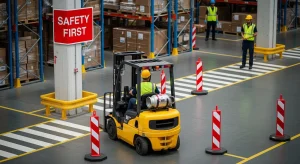
The forklift remains one of the most important machines in material handling because it can lift, transport, and stack loads efficiently. Many operations use forklift rental solutions to match short-term workload requirements without long-term ownership. Safety standards for forklifts are defined in OSHA powered industrial truck regulations, which outline proper operating procedures and workplace safety requirements.
Conveyors are another essential transport system. They allow continuous movement of materials across production lines, warehouses, and packaging facilities.Lifting Equipment and Heavy Load Handling
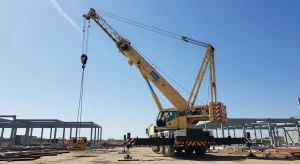
Lifting equipment is designed to raise and position heavy materials safely. Common examples include cranes, hoists, and lifting platforms. In industrial and construction environments, these systems are critical for moving equipment, structural components, and large goods.
Many lifting operations rely on boom lifts and scissor lifts to safely reach elevated work areas. Equipment selection often follows practical comparisons such as those outlined in boom lift usage and safety guidance for elevated access systems.Storage Equipment and Warehouse Systems
Storage equipment is used to organize and protect materials. Common solutions include pallet racking systems, shelving, and automated storage and retrieval systems (AS/RS). Proper storage design improves space efficiency and reduces material damage.
Warehouse operations often combine storage systems with forklifts and pallet handling equipment to maintain smooth inventory flow. Efficient warehouse layout planning supports faster picking, safer stacking, and improved workflow efficiency.
Also read : Boom Lift vs Scissor Lift: Key Differences and How to ChooseAutomated Material Handling Equipment
Automation is transforming modern logistics. Automated guided vehicles (AGVs), robotic picking systems, and conveyor automation reduce manual handling and improve accuracy. These systems are commonly used in large distribution centers and manufacturing facilities.
Automation improves consistency and minimizes operational errors, making it increasingly popular in modern warehouse environments.Choosing the Right Material Handling Equipment
Selecting the correct equipment depends on material type, load weight, facility layout, and workflow requirements. Businesses must evaluate safety, efficiency, and scalability when choosing equipment.
Many organizations compare equipment performance, servicing requirements, and long-term reliability before deployment. Access to professional maintenance and servicing support helps extend equipment lifespan and ensure safe operation across long-term industrial use.
Importance of Material Handling Safety
Proper training and equipment maintenance are essential for safe handling operations. Incorrect handling methods can cause injuries, product damage, and operational delays. International safety authorities emphasize proper equipment inspection, operator training, and load management to prevent accidents.
Also read : Parts of a Forklift Explained: Forklift Parts 101 and Key Components
Conclusion
Understanding the different types of material handling equipment helps businesses improve efficiency, safety, and workflow performance. From forklifts and conveyors to cranes and automated systems, each category plays a critical role in modern logistics and industrial operations.
By selecting the right equipment and maintaining proper safety standards, companies can enhance productivity and ensure smooth material flow across their operations.
Get the Right Material Handling Equipment for Your Operations
Choosing the correct material handling solution is essential for improving safety, efficiency, and long-term productivity. Whether you need forklifts, lifting platforms, or warehouse handling systems, selecting reliable equipment helps ensure smoother operations and reduced downtime.
If you are planning to upgrade your handling workflow or need temporary equipment support, exploring available options through material handling and forklift equipment solutions can help you match the right machine to your operational requirements.
For long-term performance and safety, regular servicing and technical support are equally important. Professional maintenance programs such as equipment servicing and maintenance support help extend equipment lifespan and keep operations running efficiently.