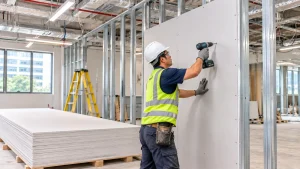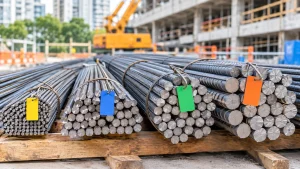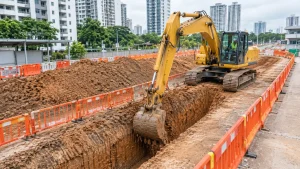
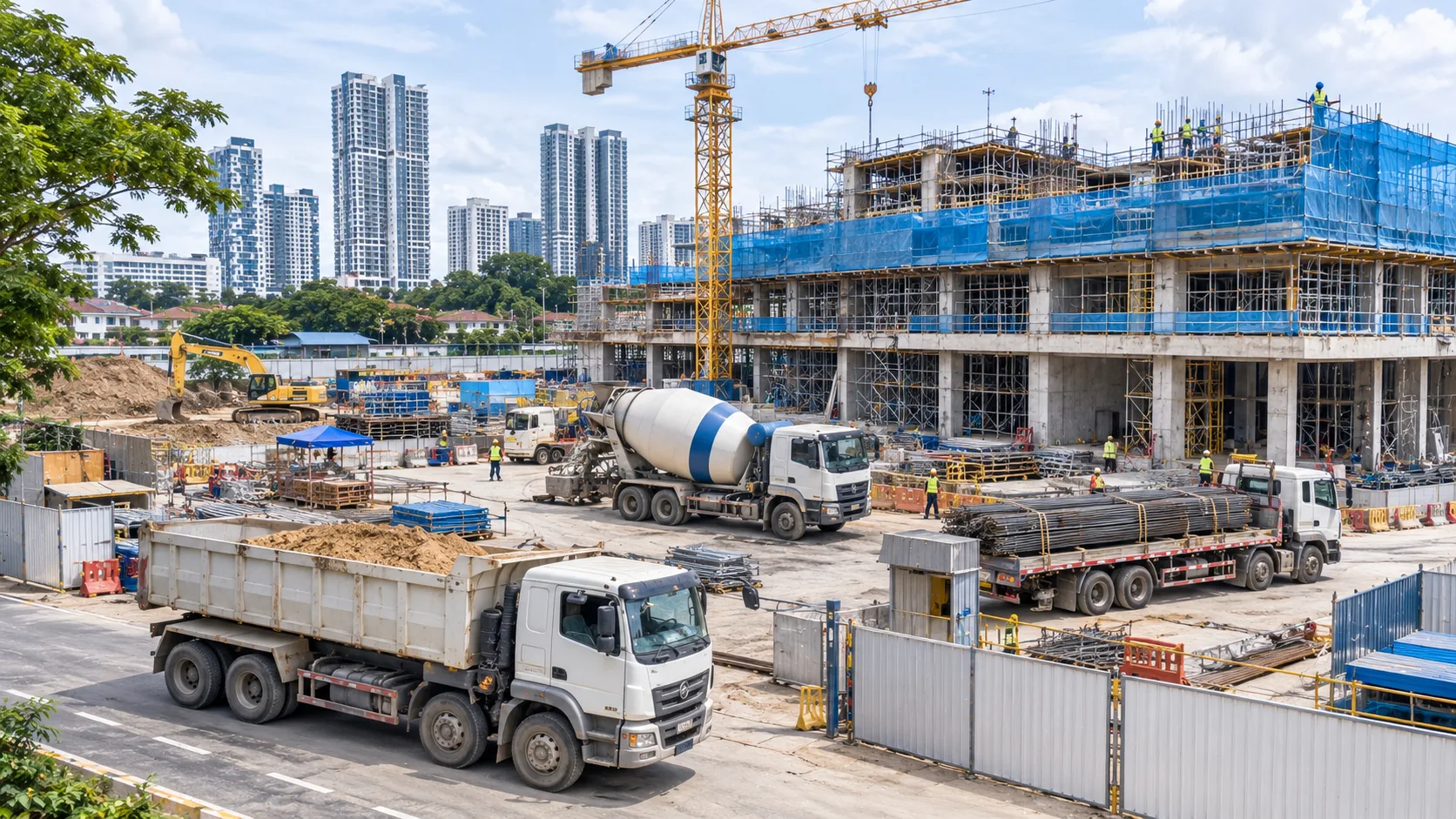
Construction trucks are the heavy vehicles that carry materials, equipment, and waste to, from, and around a construction site. They include dump trucks that haul soil and rubble, mixer trucks that deliver fresh concrete, flatbed and lorry crane trucks that bring in steel and building materials, and support vehicles that supply water and fuel. Without them, even the best equipped site would stop within hours, because almost everything used on a project arrives or leaves on a truck.
While excavators, loaders, and cranes do the digging and lifting, trucks keep material flowing between the site and the outside world. This guide focuses only on trucks: what counts as a construction truck, the main types and what each one does, how they compare, how to choose the right one for a job, and how to keep truck movements safe on site. For the wider range of machines used on a project, see our overview of types of construction vehicles.
What Counts as a Construction Truck
A construction truck is a heavy vehicle built or equipped to transport construction materials, plant, or waste, or to support work on site. What separates it from an ordinary goods vehicle is its body and equipment: a tipping body, a rotating drum, a crane, a tank, or a reinforced flatbed designed for heavy, awkward, or messy loads.
Construction trucks fall into two broad groups, and the difference affects where they can work, how much they can carry, and which rules apply to them.
On-Road Construction Trucks
On-road trucks are registered for use on public roads. They carry materials between suppliers, batching plants, depots, and the site, and they must meet road vehicle rules on size, weight, emissions, lighting, and driver licensing. In Singapore, these vehicles are regulated by the Land Transport Authority, which sets requirements for registration, axle loads, and oversized or overweight movements.
Most trucks seen on urban building sites are on-road vehicles, including tipper trucks, concrete mixers, flatbeds, lorry cranes, and prime movers pulling trailers. Because they travel on public roads, their size is limited, which keeps them manoeuvrable on tight city sites.
Off-Road Haul Trucks
Off-road trucks, also called off-highway trucks, are designed to work only within a site, quarry, or mine. Freed from road limits, they can be much larger and carry far heavier loads, with heavy duty frames, large tyres, and drivetrains built for rough haul roads.
Articulated and rigid dump trucks are the main examples. They are common on large earthworks, land reclamation, road building, and infrastructure projects where huge volumes of material move short distances within the same site, but they rarely appear on compact urban building sites.
Earthmoving and Bulk Material Trucks
Moving soil, rock, sand, aggregate, and demolition waste is one of the biggest transport tasks on any project, especially during site preparation and foundation works. These trucks are built around a body that can be loaded quickly and emptied by tipping.
The right choice depends mainly on whether the material is leaving the site on public roads or moving within the site itself.
Dump Trucks and Tipper Trucks
A dump truck, called a tipper truck or tipper lorry in Singapore and many other markets, has an open box body that hydraulic rams tilt to unload material at the back. It is the most common construction truck, used to remove excavated soil, deliver sand and aggregate, and carry away demolition debris. Further background on the many forms of these vehicles is available in Wikipedia’s article on dump trucks.
Tippers are usually loaded by excavators, wheel loaders, or a skid steer loader on smaller sites. Matching the loading machine’s bucket to the truck body speeds up each cycle and reduces spillage, which matters when trucks must leave the site clean to protect public roads.
Articulated and Rigid Haul Trucks
Articulated dump trucks have a pivot joint between the cab and the dump body, with all wheel drive, so they can cross soft, muddy, and uneven ground where a road tipper would get stuck. They are the workhorses of large earthworks and reclamation sites.
Rigid off-highway dump trucks have a single solid frame and carry even larger loads, but they need firmer, well maintained haul roads. They are mainly found in quarries, mines, and very large infrastructure projects.
Concrete Trucks
Concrete is usually mixed at a batching plant and delivered to site ready to place, so two types of truck handle most of the work: one to carry the concrete and one to put it exactly where it is needed. Because fresh concrete starts to set soon after mixing, these trucks have to be carefully scheduled around each pour.
Delays at the gate, long queues, or a poorly placed pump can leave concrete sitting in the drum too long, which is why concrete deliveries are often the most closely planned truck movements on a project.
Concrete Mixer Trucks
A concrete mixer truck, also called a transit mixer or agitator truck, carries ready mixed concrete in a rotating drum. Spiral blades inside the drum keep the mix moving during the journey so it does not separate or start to stiffen, and reversing the drum discharges the concrete through a chute at the rear.
Mixer trucks can pour directly into foundations, kerbs, and ground slabs within reach of the chute. For higher or more distant pours, they discharge into a pump or a skip lifted by a crane.
Concrete Pump Trucks
A concrete pump truck, often called a boom pump, combines a powerful pump with a folding boom that can reach upper floors, deep basements, or areas far from the truck. Mixer trucks feed concrete into the pump’s hopper, and the boom places it precisely where the finishing crew needs it.
Boom pumps speed up large slab and wall pours considerably and reduce the need to lift concrete in skips. They need firm, level ground and enough clear space to extend their outriggers fully before pumping starts.
Material Transport and Lifting Trucks
Not every load is loose material that can be tipped. Steel, precast concrete, pipes, timber, pallets of blocks, and machinery all need trucks that can carry them securely and, in some cases, lift them off at the other end.
These trucks are the link between suppliers, fabrication yards, equipment depots, and the site, and their arrival times often decide when the next stage of work can start.
1. Flatbed Trucks and Lorries
Flatbed trucks and general cargo lorries have an open, flat deck, sometimes with drop sides, that can be loaded from the side, the rear, or above. They carry rebar, structural steel, formwork, scaffolding, pallets of bricks and blocks, and other packaged materials.
Because flatbeds have no lifting equipment of their own, they are unloaded by forklifts, cranes, or telehandlers on site. Loads must be properly strapped or chained to the deck, since shifting materials are a common cause of road incidents and of dangerous conditions when straps are released.
Also read: How to Choose a Forklift: A Complete Buyer’s Guide
2. Lorry Cranes and Truck-Mounted Cranes
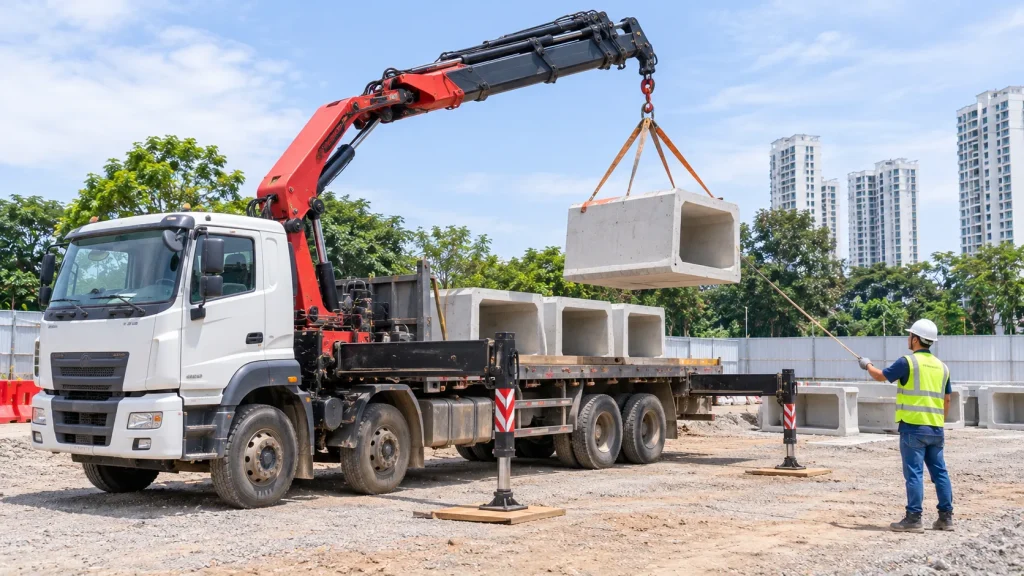
A lorry crane, widely known by that name in Singapore, is a flatbed truck with a hydraulic knuckle boom or telescopic crane mounted behind the cab. It can lift its own load on and off the deck, which makes it ideal for delivering materials to sites without a tower crane, or for placing items such as precast drains, small machinery, and site cabins.
Lorry cranes offer far less capacity and reach than a mobile or tower crane, but they combine transport and lifting in one vehicle. The differences between these lifting machines are explained further in our guide to types of cranes.
3. Low Loaders and Prime Movers
Heavy plant such as excavators, rollers, and access equipment is moved between sites on low loader or low bed trailers pulled by a prime mover, the tractor unit at the front. The low deck height keeps tall machines within road height limits and allows equipment to be driven on and off using ramps.
Movements of very heavy or oversized equipment may need permits, escorts, and specific travel times, so they should be arranged well before the machine is needed on site.
Site Support Trucks
Some construction trucks never carry building materials at all. Instead, they keep the site, the machines, and the workforce running, and their absence is often noticed only when dust rises, a machine runs dry, or a breakdown halts work.
These vehicles are usually smaller in number but play an important part in keeping productivity high and the site compliant with environmental and safety rules.
Water trucks. Water trucks, or water bowsers, spray haul roads and work areas to control dust, supply water for compaction, and wash down roads at the site exit. Dust control protects workers and neighbours and helps sites meet environmental requirements.
Fuel and lubrication trucks. Fuel trucks refuel excavators, cranes, generators, and other plant where they work, saving machines a trip off site and reducing downtime. Some also carry oils and greases for routine servicing.
Service and mechanic trucks. Fitted with tools, compressors, and spare parts, these trucks allow mechanics to repair and maintain equipment on site rather than transporting it to a workshop.
Waste and skip trucks. Skip loaders and hook lift trucks deliver and collect waste skips and roll off bins, keeping the site clear of debris and supporting recycling of separated waste streams.
Vacuum excavation trucks. These trucks use high powered suction to remove soil around buried cables and pipes without the risk of striking them, making them useful for safe digging in congested urban ground.
Construction Trucks Compared
Each truck type is built around a particular kind of load and task. The table below summarises the main types, what they carry, and where they are typically used.
Use it as a quick reference when planning deliveries or discussing transport needs with suppliers and subcontractors.
| Truck type | Main job | Road use | Typical setting |
|---|---|---|---|
| Tipper or dump truck | Hauling soil, aggregate, and waste | On-road | Most building and civil sites |
| Articulated dump truck | Hauling bulk earth over rough ground | Off-road | Large earthworks and reclamation |
| Concrete mixer truck | Delivering ready mixed concrete | On-road | Foundations, slabs, structures |
| Concrete pump truck | Placing concrete at height or distance | On-road | High rise and large pours |
| Flatbed truck | Carrying steel, pallets, and packaged materials | On-road | All types of projects |
| Lorry crane | Carrying and self unloading materials | On-road | Sites without a tower crane |
| Low loader and prime mover | Moving heavy plant between sites | On-road, often with permits | Equipment mobilisation |
| Water truck | Dust control and compaction water | On-road or site only | Earthworks and haul roads |
How to Choose the Right Construction Truck
The right truck is the one that matches the load, the route, and the site, not simply the largest one available. An oversized truck may not fit through the site gate or under overhead structures, while an undersized one adds trips, traffic, and cost.
Reviewing a few key factors before booking transport helps avoid delays and wasted journeys.
Load type and quantity. Loose material suits tippers, fresh concrete needs mixers, and packaged or long items need flatbeds or lorry cranes. Estimate total volumes so the number of trips can be planned.
Payload and legal limits. Check the truck’s rated payload and the legal weight limits for public roads, and never overload a vehicle to save a trip.
Site access and ground conditions. Measure gate widths, turning space, overhead clearances, and slopes, and check whether the ground can support a loaded truck or a pump’s outriggers.
Unloading method. Decide whether the truck will tip, pump, self unload with a crane, or need a forklift or crane on site, and make sure that equipment is ready when the truck arrives.
Schedule and haul distance. Long distances or congested routes may call for more trucks to keep a steady flow, especially for time sensitive concrete pours. Balancing the number of trucks against waiting time and productivity is a key part of cost management in construction.
Also read: Construction Site Planning: A Complete Guide
Construction Truck Safety on Site
Trucks are among the largest moving hazards on a construction site. Drivers have large blind spots, especially when reversing, loads can shift or fall, and tipping or crane operations can become unstable on poor ground. Many serious site incidents involve workers being struck by a reversing or turning vehicle.
In Singapore, contractors manage these risks under the Workplace Safety and Health framework, and the Ministry of Manpower provides Workplace Safety and Health guidance covering vehicle and lifting operations on construction sites.
Traffic Management
A good traffic plan separates vehicles from people wherever possible, with marked routes, pedestrian walkways, and barriers. One way systems and turning areas reduce the need for reversing, and where reversing cannot be avoided, a trained signaller should guide the driver.
Site gates need clear sightlines onto the public road, and trucks should be checked and cleaned before leaving to keep mud and debris off surrounding streets. Delivery schedules that spread arrivals across the day also reduce queues and congestion at the gate.
Loading, Tipping, and Lifting
Tip loads only on firm, level ground, well away from excavation edges and overhead power lines, and lower the body fully before the truck moves off. Pump trucks and lorry cranes must have their outriggers fully extended on solid ground or suitable spreader pads before any lift or pour begins.
Check that loads are secured before travel and before straps are released, and keep people clear of the drop zone during unloading. Daily vehicle checks on brakes, lights, mirrors, reversing alarms, and hydraulics fit naturally into a routine construction site safety checklist.
Keep Deliveries Moving With the Right Site Equipment
Construction trucks bring materials to the gate, but what happens next depends on the equipment waiting on site. Forklifts unload flatbeds and move pallets to work areas, access equipment gets materials and workers to height, and generators keep tools and lighting running until permanent power is connected.
RR Machinery Pte Ltd provides heavy machinery rental across Singapore, including forklifts, boom lifts, scissor lifts, mobile scaffolding, and power generators, backed by servicing support. Contact us today to discuss the equipment your project needs or to request a quotation.