Understanding what is an aerial lift is essential for industries that require safe and efficient access to elevated work areas. Aerial lifts are widely used in construction, maintenance, warehousing, and industrial operations to help workers perform tasks at height with greater stability and control.
Compared to traditional methods like ladders and scaffolding, aerial lifts offer better mobility, faster setup, and improved safety features. They provide a more efficient solution for working at height while reducing risks and increasing productivity.
In modern job sites, aerial lifts play an important role in supporting operational efficiency and ensuring safer work environments.
What Is an Aerial Lift?
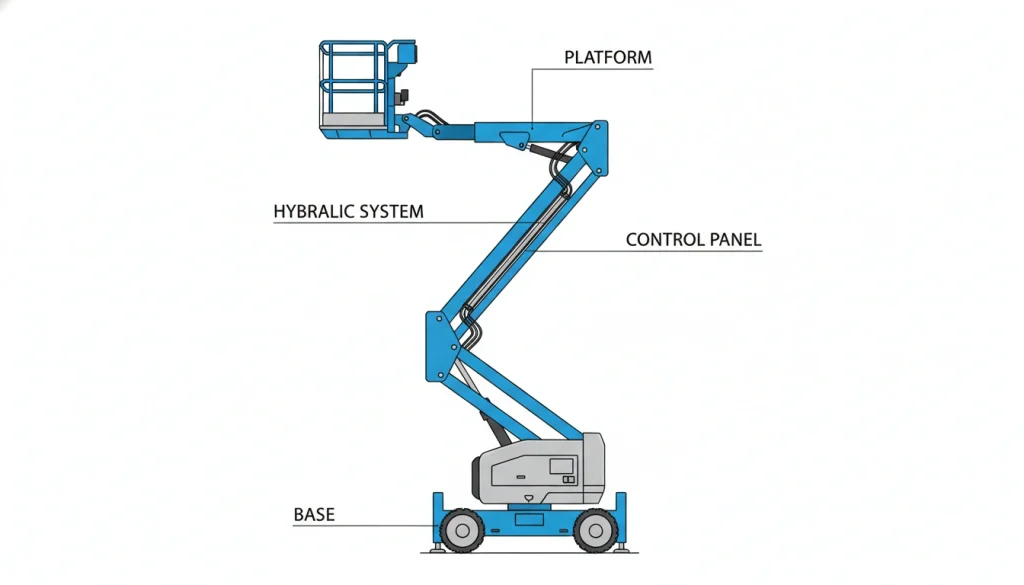
An aerial lift is a mechanical device designed to elevate workers, tools, and materials to perform tasks at height. These machines are commonly referred to as aerial work platforms (AWPs) or mobile elevated work platforms (MEWPs).
Aerial lifts are engineered with multiple safety and operational features that make them reliable for elevated work. These include:
- A secure platform or basket for workers that provides adequate space and protection
- Hydraulic or electric lifting mechanisms that ensure smooth and controlled movement
- Operator control systems that allow precise positioning
- Guardrails and fall protection features to minimize risk
- Emergency lowering systems for quick response in critical situations
Unlike ladders or temporary scaffolding, aerial lifts provide a stable and controlled working environment, even at significant heights. This stability is particularly important for tasks that require accuracy, such as electrical installations, structural adjustments, or maintenance work that demands steady positioning over time.
Understanding different types of lifting equipment used in construction and industrial environments helps businesses select the most suitable equipment for their specific operational needs. Choosing the right equipment not only improves efficiency but also reduces unnecessary costs and safety risks.
Also read : How to Drive a Forklift Safely: Step-by-Step Guide for Beginners
How Aerial Lifts Work
Aerial lifts operate using hydraulic systems, electric motors, or mechanical lifting structures that allow vertical or multi-directional movement. The lifting mechanism varies depending on the type of aerial lift, and each system is designed to support different working conditions.
For example:
- Scissor lifts use a crisscrossing mechanism to extend vertically, providing strong support and stability
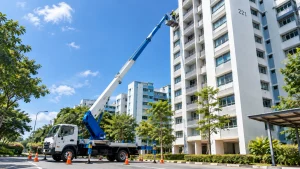
- Boom lifts use articulated or telescopic arms for extended reach and flexibility
- Vertical mast lifts operate on a straight vertical track for compact environments
The operator controls the lift using a control panel located either on the platform or at the base of the machine. These controls enable smooth navigation, allowing operators to position themselves accurately without unnecessary movement.
Modern aerial lifts are also equipped with advanced safety features such as tilt sensors, overload protection, motion alarms, and emergency stop functions. These technologies help prevent accidents and ensure that operations remain within safe working limits, especially in complex environments.
Common Types of Aerial Lifts
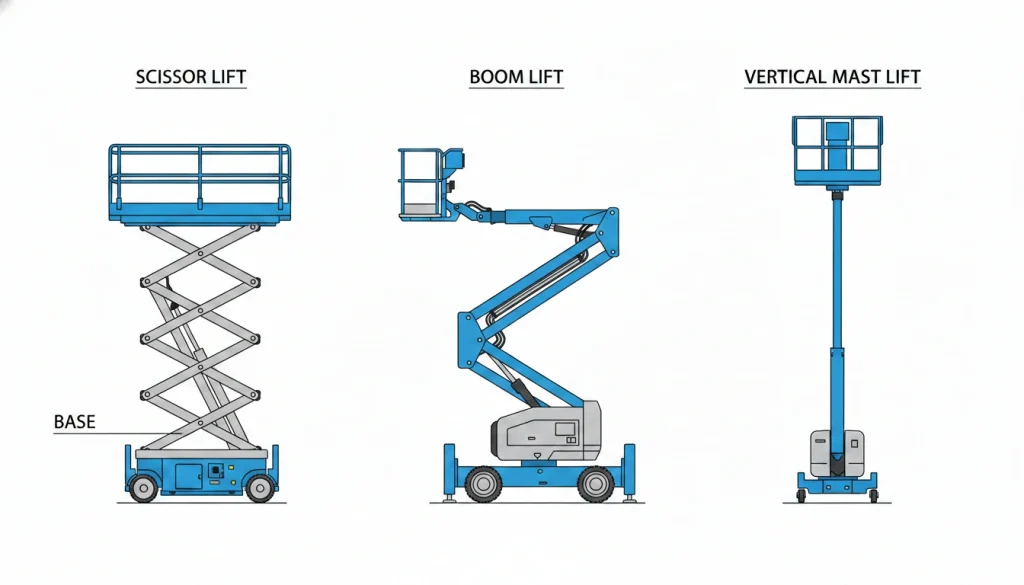
There are several types of aerial lifts, each designed for different applications and working conditions. Understanding their characteristics helps ensure optimal performance and safety.
Scissor Lifts
Scissor lifts are one of the most commonly used aerial lifts. They move vertically using a folding support structure that expands upward.
These lifts are ideal for:
- Indoor maintenance work
- Warehouse operations
- Electrical installations
- Construction finishing tasks
Scissor lifts are known for their stability and large platform capacity. They can accommodate multiple workers along with tools and materials, making them highly efficient for tasks that require teamwork.
Additionally, their simple vertical movement makes them easy to operate and suitable for environments where horizontal reach is not required.
Boom Lifts
Boom lifts offer greater flexibility and reach compared to other types of aerial lifts. They are designed to access hard-to-reach areas, including obstacles and elevated structures.
They are divided into:
- Telescopic boom lifts (straight reach for maximum horizontal distance)
- Articulating boom lifts (jointed arms for maneuverability around obstacles)
Boom lifts are commonly used in:
- Outdoor construction
- Building maintenance
- Tree trimming
- Infrastructure projects
Their ability to extend both vertically and horizontally makes them highly versatile for complex tasks.
Vertical Mast Lifts
Vertical mast lifts are compact machines designed for confined spaces. They provide straight vertical lifting and are easy to maneuver.
They are suitable for:
- Retail environments
- Warehouses
- Indoor maintenance
Their lightweight design allows them to be used in areas with limited floor space, making them ideal for indoor applications.
Towable Aerial Lifts
Towable lifts are portable and can be easily transported between job sites. They are mounted on trailers, allowing convenient mobility.
They are commonly used for:
- Temporary maintenance work
- Outdoor installations
- Light construction tasks
Their portability makes them a cost-effective solution for short-term projects.
Also read : Types of Bridges: Structures, Designs, and Engineering Applications
Applications of Aerial Lifts
Aerial lifts are used across a wide range of industries due to their versatility and efficiency.
Construction
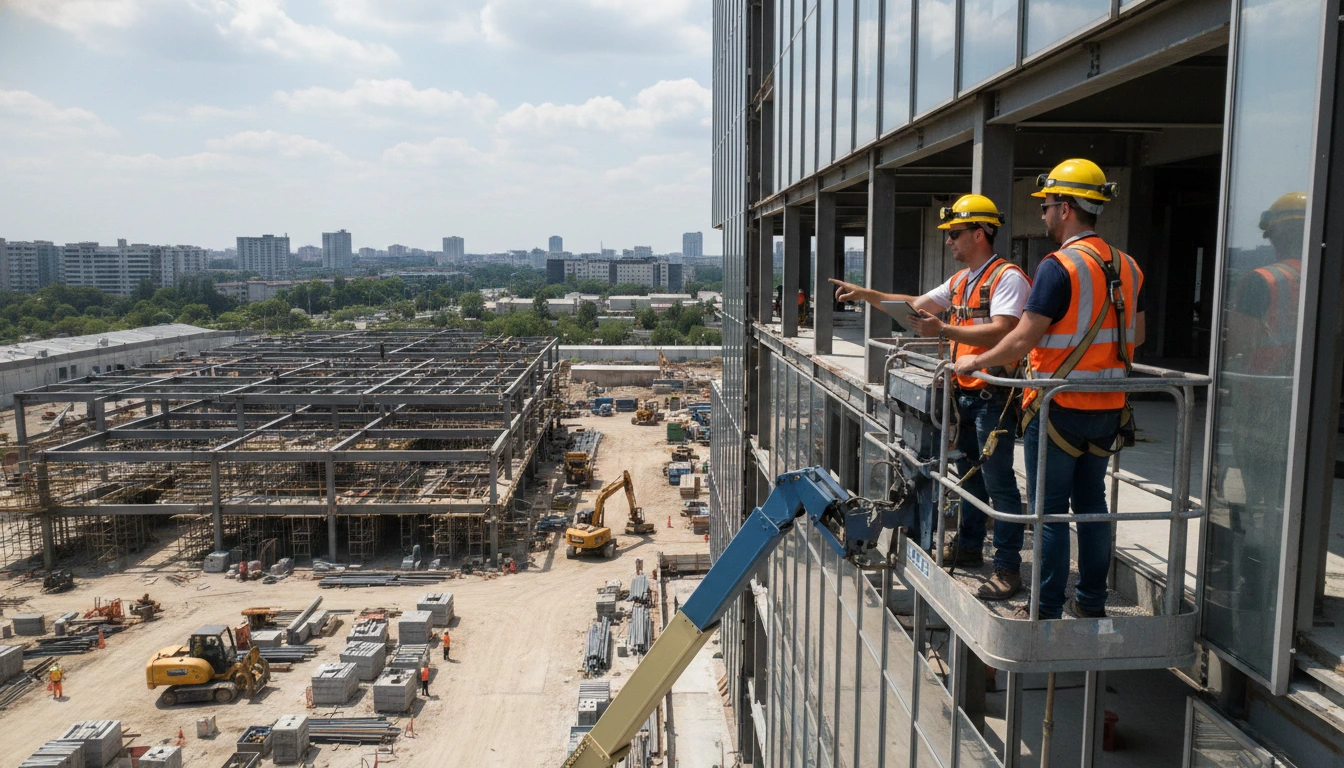
In construction, aerial lifts are used for tasks such as:
- Structural installation
- Electrical work
- Painting and finishing
- Facade maintenance
They provide safe and efficient access to elevated areas without the need for complex scaffolding systems.
Maintenance and Repairs
Aerial lifts are essential for building maintenance tasks such as:
- Lighting installation
- HVAC servicing
- Window cleaning
- Inspection work
Their flexibility allows maintenance teams to complete tasks quickly and safely.
Warehousing and Logistics
In warehouses, aerial lifts help workers:
- Access high storage racks
- Perform inventory checks
- Maintain storage systems
They improve operational efficiency by reducing the time required to access elevated storage areas.
Industrial Operations
Factories and industrial plants use aerial lifts for:
- Equipment maintenance
- Machinery installation
- Safety inspections
Many industries integrate aerial lifts with other earth moving equipment used in modern operations to streamline workflow and improve efficiency.
Advantages of Using Aerial Lifts
Aerial lifts offer several advantages over traditional access methods.
Improved Safety
They provide secure platforms with guardrails and built-in safety systems that significantly reduce fall risks.
Increased Productivity
Workers can complete tasks faster without repeatedly climbing up and down ladders, saving both time and energy.
Versatility
Different lift types allow use in various environments, including indoor and outdoor settings.
Reduced Setup Time
Unlike scaffolding, aerial lifts require minimal setup and can be repositioned quickly as needed.
Safety Tips When Using Aerial Lifts

Safety is a critical aspect of aerial lift operation. Proper procedures must always be followed to ensure a safe working environment.
Conduct Pre-Operation Inspections
Check for:
- Equipment damage
- Hydraulic leaks
- Control functionality
Use Proper Safety Equipment
Operators should wear:
- Helmets
- Harnesses
- Protective footwear
Follow Load Limits
Never exceed the lift’s capacity. Understanding equipment load limits and crane lifting capacity in construction operations helps prevent accidents.
Maintain Stable Ground Conditions
Always position the lift on level and stable ground to avoid tipping hazards.
Avoid Unsafe Practices
Do not:
- Lean over guardrails
- Use makeshift platforms
- Operate in strong winds
Proper training and compliance with safety standards are essential to prevent accidents and equipment damage. For comprehensive safety guidelines, refer to official OSHA recommendations on aerial lift operation.
Maintenance and Inspection of Aerial Lifts
Routine maintenance ensures safe and efficient operation. Without proper maintenance, equipment performance can decline and increase safety risks.
Maintenance tasks include:
- Inspecting hydraulic systems
- Checking electrical components
- Testing control systems
- Replacing worn parts
Preventive maintenance helps reduce downtime, extend equipment lifespan, and ensure reliability.
Many companies incorporate aerial lift servicing into broader equipment servicing strategies used in industrial environments to maintain consistent operational performance.
Also read : Crane Lifting Capacity: Understanding Limits and Safe Load Handling
Training Requirements for Operators
Proper training is essential for safe aerial lift operation. Untrained operators are more likely to make errors that can lead to accidents.
Training includes:
- Equipment operation techniques
- Hazard awareness
- Emergency procedures
- Safety compliance
Certified operators are better prepared to handle risks and maintain safe working conditions, contributing to a safer workplace overall.
The Role of Aerial Lifts in Modern Work Environments
As industries continue to evolve, aerial lifts play an increasingly important role in improving both efficiency and safety. They enable workers to perform complex tasks at height with minimal risk.
Modern job sites rely on integrated systems where aerial lifts work alongside other machinery. This coordination enhances productivity, reduces downtime, and ensures smoother project execution.
Reliable Equipment Support for Working at Height
Understanding what is an aerial lift helps businesses choose the right equipment for safe and efficient operations at height. By selecting the appropriate lift type, following safety guidelines, and ensuring proper maintenance, companies can improve productivity while reducing workplace risks.
Reliable machinery and professional support play a crucial role in maintaining safe operations. If you are looking for high-quality scissor lifts and access equipment, explore our available solutions to find the right equipment for your project needs, contact us today to discuss your requirements and receive professional assistance tailored to your operational needs.