Working at height is a common requirement in industries such as construction, maintenance, warehousing, and industrial operations. Tasks performed above ground level often involve significant risks, making safety a top priority for both employers and workers.
Without proper precautions, working at height can lead to serious accidents, injuries, or even fatalities. Understanding the risks involved and applying the right safety measures is essential to creating a safe and efficient work environment.
This guide explores everything you need to know about working at height, including common hazards, safety practices, equipment, and compliance standards.
What Is Working at Height?
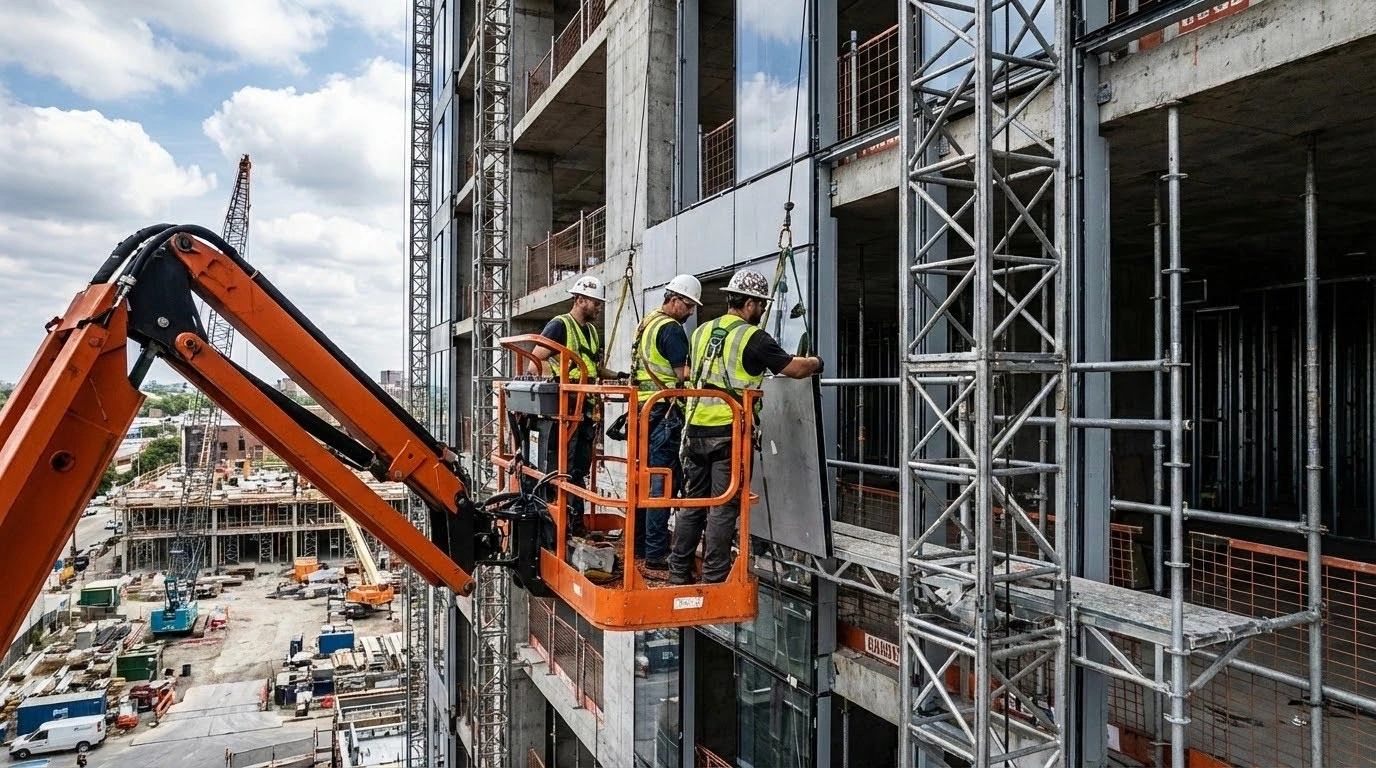
Working at height refers to any task performed at a level where a person could fall and cause injury. This includes working on ladders, scaffolding, rooftops, elevated platforms, or using lifting equipment such as scissor lifts and boom lifts.
Even tasks performed at relatively low heights can be dangerous if proper precautions are not taken. The key factor is the risk of falling, not just the height itself.
Understanding what qualifies as working at height helps businesses implement appropriate safety measures and reduce risks.
Why Working at Height Is High Risk
Working at height is considered one of the leading causes of workplace accidents worldwide. The risks involved can result in serious injuries such as fractures, head injuries, or worse.
Several factors contribute to these risks:
- Unstable working surfaces
- Lack of proper safety equipment
- Poor weather conditions
- Inadequate training
Falls from height are often preventable when proper planning and safety procedures are followed.
Also read : Scissor Lift Mechanism: How It Works, Types, and Key Components Explained
Common Hazards When Working at Height
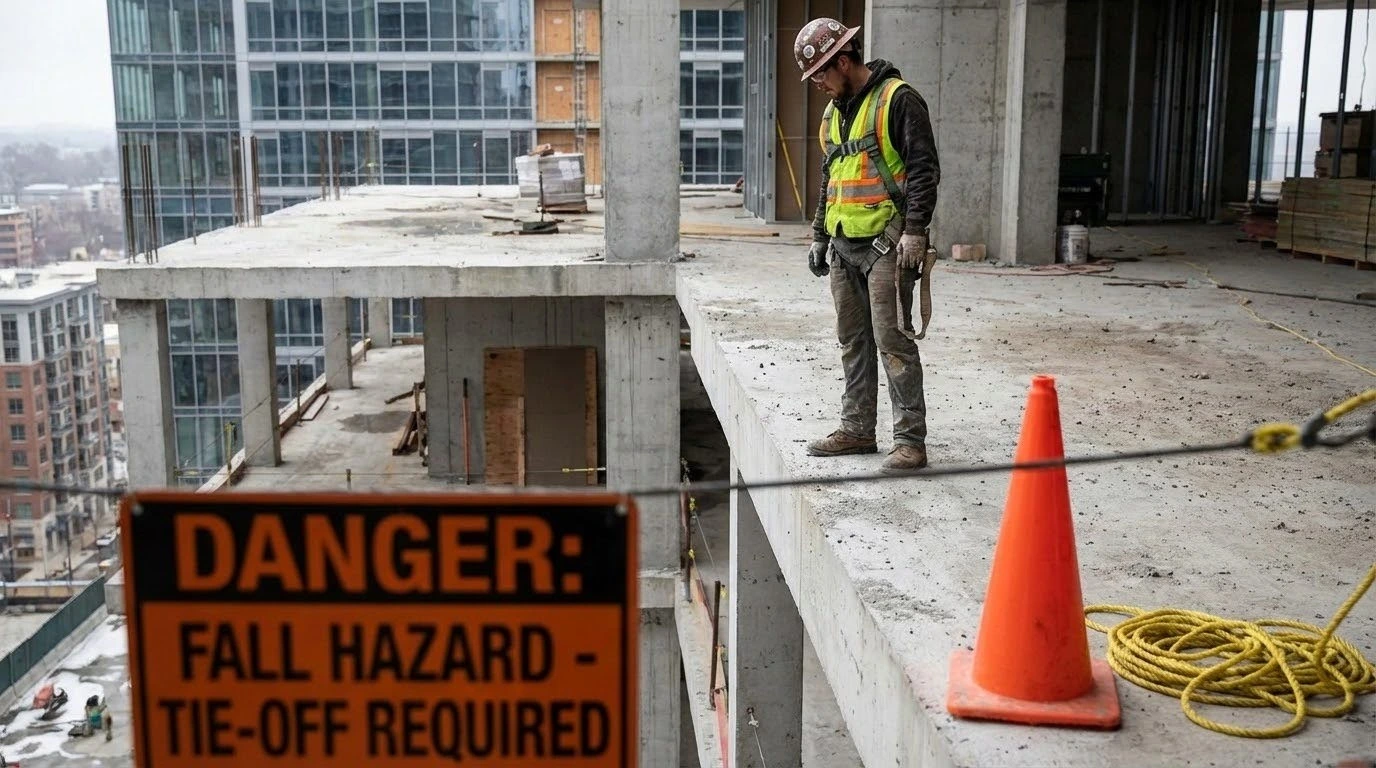
Identifying hazards is the first step in preventing accidents.
Unprotected Edges
Working near open edges without guardrails increases the risk of falls.
Slippery Surfaces
Wet or uneven surfaces can lead to slips and loss of balance.
Falling Objects
Tools or materials falling from height can pose risks to workers below.
Improper Equipment Use
Using incorrect or poorly maintained equipment can lead to accidents.
Understanding these hazards allows organizations to implement effective risk control measures.
Essential Safety Equipment for Working at Height

Using the right equipment is crucial for ensuring safety.
Personal Protective Equipment (PPE)
This includes helmets, harnesses, and non-slip footwear to protect workers from falls and injuries.
Guardrails and Barriers
These provide physical protection and prevent accidental falls.
Safety Nets
Used to catch workers or falling objects, reducing injury risks.
Aerial Work Platforms
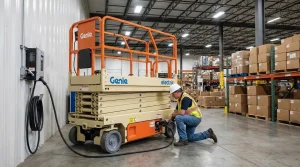
Equipment such as scissor lifts and boom lifts provide safer alternatives to ladders.
To better understand these tools, you can explore what is an aerial lift and how it improves safety in elevated work environments.
Best Practices for Safe Working at Height
Implementing best practices significantly reduces risks.
Conduct Risk Assessments
Identify potential hazards before starting work.
Use Proper Equipment
Ensure all equipment is suitable for the task and well-maintained.
Provide Training
Workers should be trained in safety procedures and equipment use.
Maintain Clear Communication
Effective communication ensures that everyone understands their roles and responsibilities.
These practices help create a safer and more controlled working environment.
Also read : Rough Terrain Forklift: Features, Uses, and Benefits for Heavy-Duty Operations
Safety Regulations and Compliance
Regulations are in place to ensure safe working conditions.
Employers must:
- Provide appropriate safety equipment
- Conduct regular inspections
- Ensure worker training
- Follow established safety standards
Compliance with regulations helps reduce workplace accidents and ensures legal safety requirements are met.
Following standards such as working at height safety regulations and international compliance guidelines ensures proper safety management.
Choosing the Right Equipment for Working at Height
Selecting the right equipment depends on the nature of the task and working environment.
Ladders
Suitable for short-duration tasks but limited in safety and stability.
Scaffolding
Provides a stable platform for extended work periods.
Aerial Lifts
Offer enhanced safety and flexibility for various tasks.
Understanding types of lifting equipment used in construction and industrial operations helps businesses choose the most suitable solution.
Common Mistakes to Avoid
Avoiding mistakes is critical for maintaining safety.
Ignoring Safety Checks
Skipping inspections can lead to equipment failure.
Overloading Equipment
Exceeding load limits increases the risk of accidents.
Lack of Training
Untrained workers are more likely to make errors.
Poor Planning
Failing to assess risks before work begins can result in serious consequences.
The Role of Training in Preventing Accidents
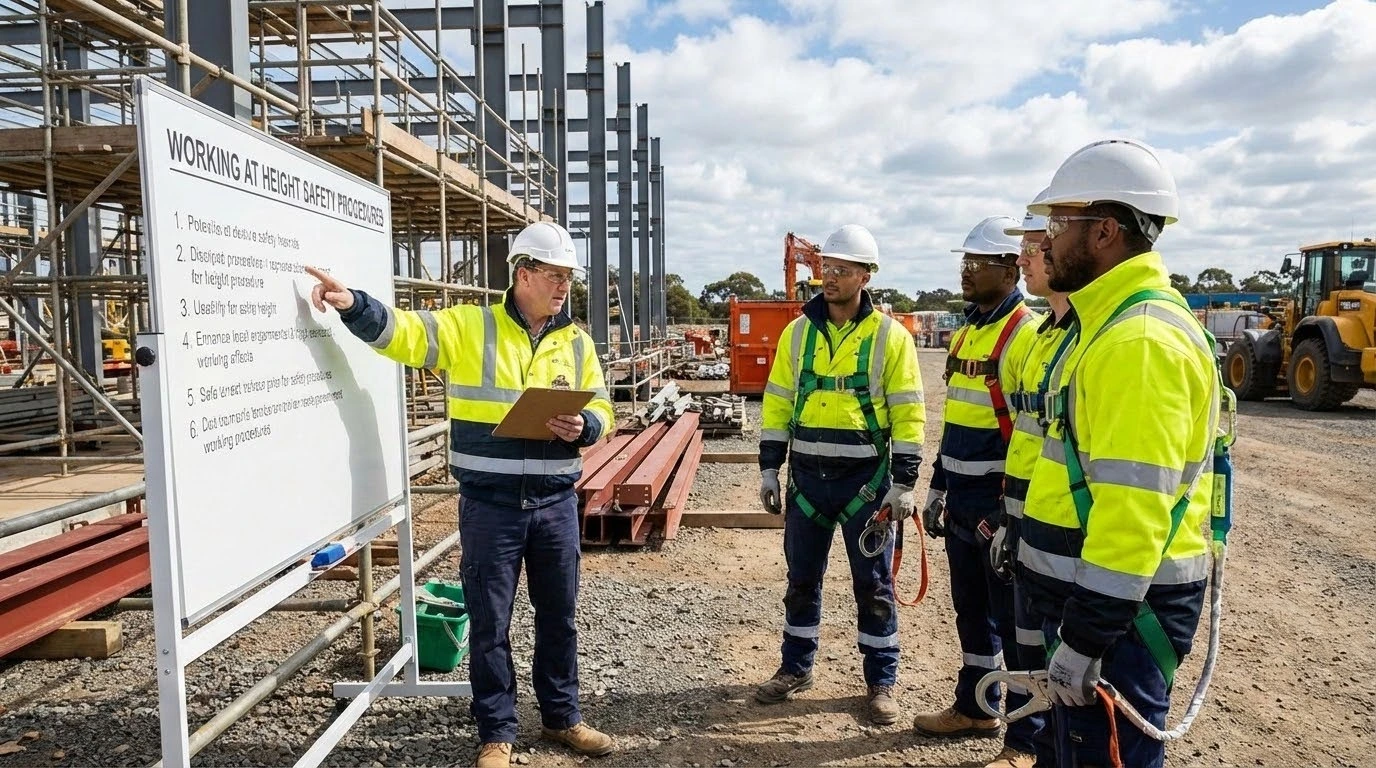
Training plays a vital role in ensuring safe operations. Workers must understand how to use equipment properly and follow safety procedures. Regular training sessions help reinforce safety awareness and improve overall performance.
Understanding how to operate a scissor lift safely and correctly in daily operations is especially important for tasks involving elevated platforms.
Maintenance and Inspection for Safety
Regular maintenance ensures that equipment remains safe and functional.
Inspection tasks include:
- Checking structural integrity
- Testing safety systems
- Identifying wear and tear
Preventive maintenance helps reduce downtime and prevents unexpected failures.
Also read : Reach Truck vs Forklift: Key Differences, Uses, and How to Choose the Right Equipment
Benefits of Safe Working at Height Practices
Implementing proper safety measures offers several benefits:
- Reduced workplace accidents
- Improved productivity
- Better compliance with regulations
- Increased worker confidence
A safe working environment leads to better overall performance and long-term success.
Reliable Equipment Solutions for Your Operations
Understanding working at height safety practices helps businesses protect their workforce and maintain efficient operations. By implementing proper safety measures, using the right equipment, and ensuring regular training, companies can significantly reduce risks and improve productivity.
If you are looking for reliable equipment solutions and professional support for working at height, explore our available services to find the right solutions for your operational needs. Contact us to assist you in maintaining safe, efficient, and compliant work environments.