Understanding what is site preparation in construction is essential for ensuring the success of any building project. Before any structure can be built, the land must be properly prepared to create a safe, stable, and suitable foundation.
Site preparation is one of the most critical phases in construction because it directly impacts the safety, durability, and efficiency of the entire project. Without proper preparation, issues such as poor drainage, unstable foundations, and structural failures can arise.
This guide explores the full process of site preparation, including key steps, equipment used, safety considerations, and best practices to help ensure smooth construction operations.
What Is Site Preparation in Construction?
Site preparation in construction refers to the process of modifying and preparing land before construction begins. This includes clearing obstacles, leveling the ground, testing soil conditions, and ensuring the site is ready for building.
The goal is to create a stable and secure base that can support structures safely over time. This phase often involves multiple activities such as excavation, grading, and soil compaction.
Proper site preparation ensures that construction can proceed efficiently while minimizing risks and unexpected delays.
Why Site Preparation Is Important
Site preparation plays a crucial role in construction success. It ensures that the land is suitable for building and reduces the likelihood of future structural issues.
Key benefits include:
- Improved foundation stability
- Better drainage and water management
- Reduced risk of structural failure
- Enhanced safety for workers
Without proper site preparation, construction projects may face costly delays and safety hazards.
Also read : Working at Height: Safety Guidelines, Risks, and Best Practices
Key Steps in Site Preparation
Site preparation involves several essential steps that must be carried out systematically to ensure the land is ready for safe and efficient construction. Each stage plays a critical role in creating a stable foundation for the project.
Site Survey and Planning
Before any physical work begins, engineers conduct surveys to assess the land. This includes measuring boundaries, identifying obstacles, and planning the layout.
This stage ensures that all work aligns with project requirements and regulations.
Site Clearing
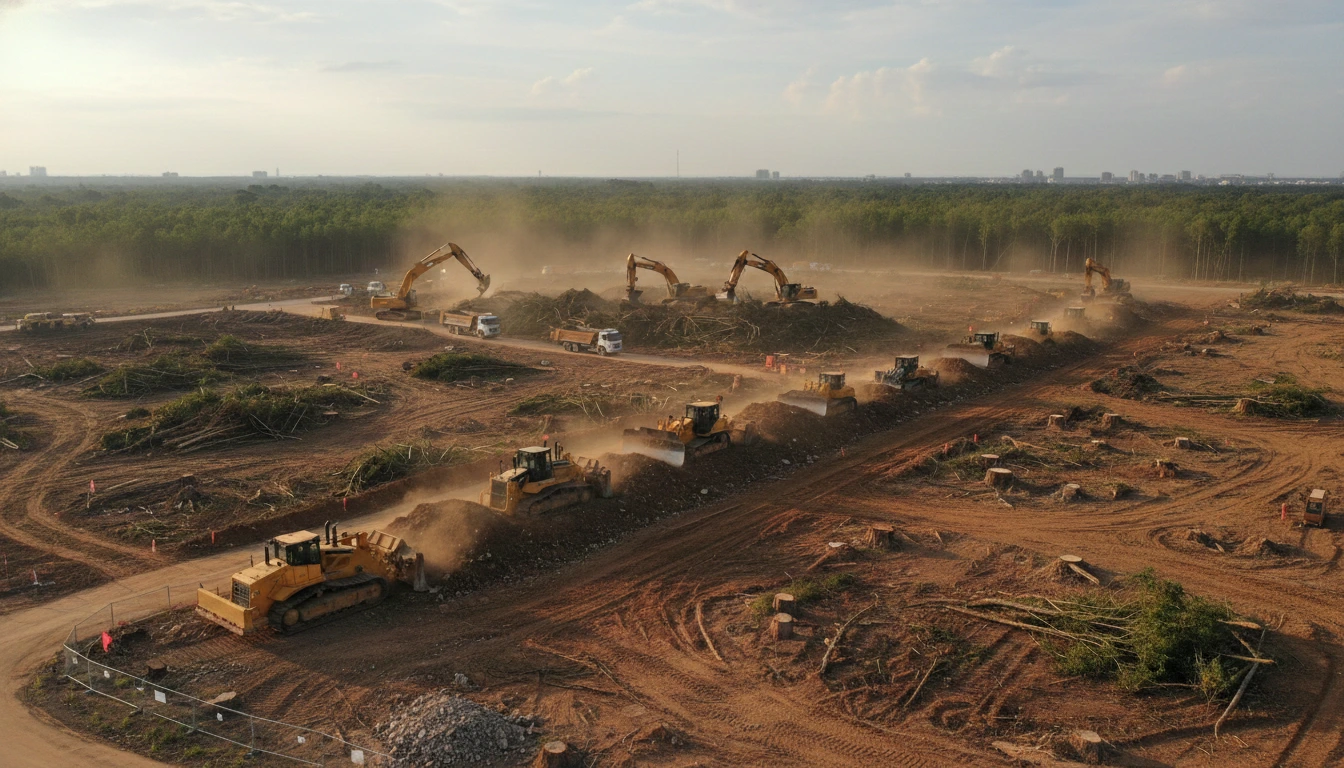
Site clearing involves removing:
- Trees and vegetation
- Rocks and debris
- Existing structures
This creates a clean and workable area for construction.
Excavation
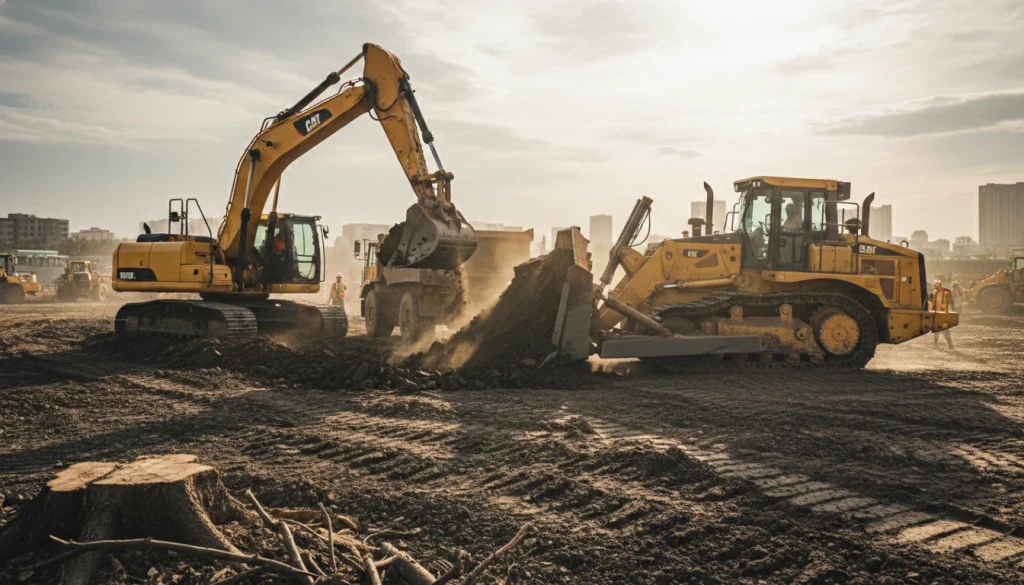
Excavation is the process of removing soil to create space for foundations, utilities, and other structural elements. Heavy machinery is often used during this stage to ensure efficiency and accuracy.
Grading and Leveling
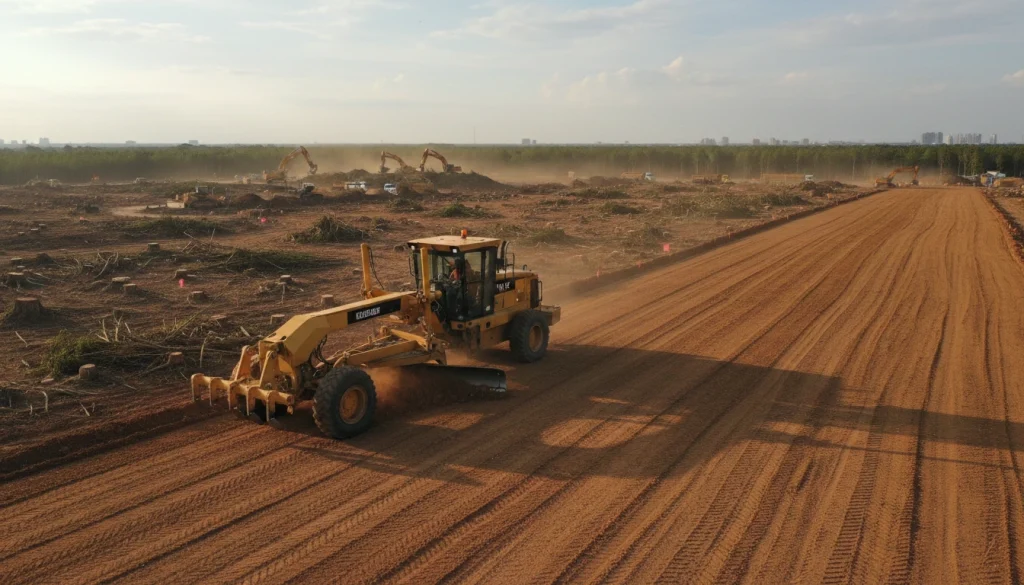
Grading ensures that the land is properly leveled and sloped for drainage. Proper grading prevents water accumulation and soil erosion.
Soil Testing and Compaction
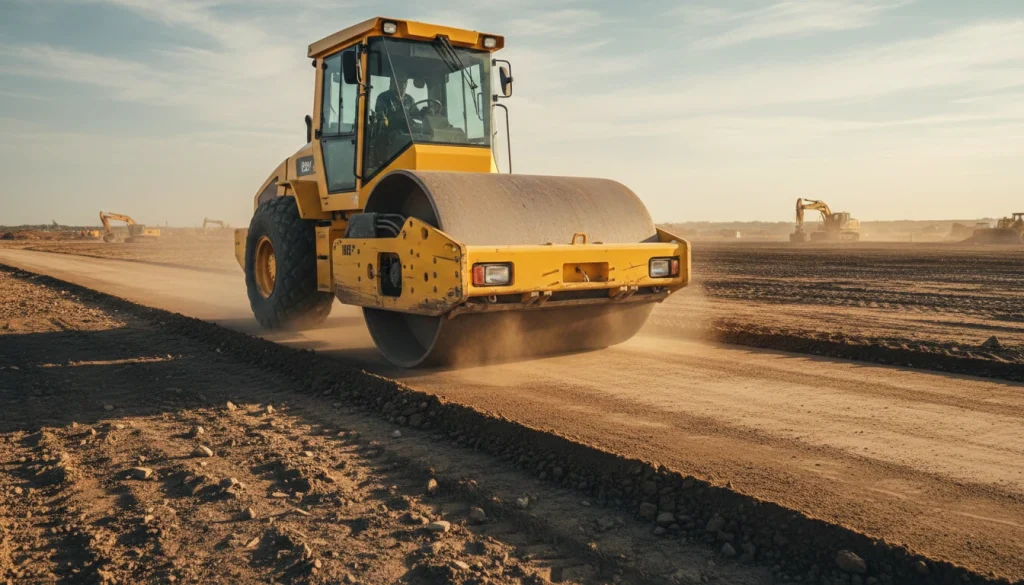
Soil testing determines whether the ground can support the intended structure. Compaction is then carried out to increase soil strength and stability.
Utility Installation Preparation
Before construction begins, provisions are made for utilities such as:
- Water systems
- Drainage
- Electrical lines
This ensures seamless integration during later stages.
Equipment Used in Site Preparation
Various types of machinery are used to carry out site preparation tasks efficiently.
Excavators
Used for digging, trenching, and material removal.
Bulldozers
Ideal for clearing land and pushing large quantities of soil.
Graders
Used for leveling and smoothing surfaces.
Compactors
Essential for increasing soil density and stability.
To better understand these machines, you can explore types of lifting equipment used in construction and industrial operations.
Also read : How to Charge a Scissor Lift: Step-by-Step Guide for Safe and Efficient Operation
Safety Considerations in Site Preparation
Safety is a critical aspect of site preparation. Workers are exposed to heavy machinery, uneven terrain, and environmental hazards.
Important safety practices include:
- Conducting risk assessments
- Using proper protective equipment
- Ensuring trained operators handle machinery
- Maintaining clear communication on-site
Understanding lifting equipment safety practices for safer work environments helps reduce risks during site preparation. Following standards such as construction safety guidelines and site preparation regulations ensures compliance and safety.
Common Challenges in Site Preparation
Despite careful planning, several challenges can arise during site preparation.
Unstable Soil
Weak soil conditions may require additional treatment or reinforcement.
Weather Conditions
Rain and extreme weather can delay work and affect soil stability.
Environmental Restrictions
Projects must comply with environmental regulations, which may limit certain activities.
Unexpected Obstacles
Hidden debris or underground structures can disrupt progress.
Proper planning and flexibility help address these challenges effectively.
Best Practices for Efficient Site Preparation
To ensure successful site preparation, consider the following best practices:
Plan Thoroughly
Detailed planning helps avoid unexpected issues and delays.
Use the Right Equipment
Selecting appropriate machinery improves efficiency and accuracy.
Conduct Regular Inspections
Monitoring progress ensures quality and safety.
Prioritize Safety
Implementing safety measures protects workers and equipment.
These practices help create a solid foundation for construction projects.
Site Preparation vs Other Construction Phases
Site preparation is the first stage of construction and sets the foundation for all subsequent phases. Unlike structural construction, which focuses on building, site preparation focuses on preparing the land. Understanding this distinction helps project managers allocate resources effectively.
Also read : Rough Terrain Forklift: Features, Uses, and Benefits for Heavy-Duty Operations
The Role of Technology in Site Preparation
Modern technology has improved the efficiency of site preparation.
Innovations include:
- GPS-guided machinery
- Drones for site surveying
- Advanced soil testing methods
These tools help improve accuracy, reduce errors, and enhance productivity.
Reliable Equipment Solutions for Your Operations
Understanding site preparation in construction helps businesses ensure that projects start on a solid foundation. Proper planning, the use of appropriate equipment, and adherence to safety practices all contribute to efficient and successful construction outcomes.
If you are looking for reliable construction equipment solutions and professional support, explore our available services to find the right tools and expertise for your project needs. Contact us to assist you in achieving safe, efficient, and high-quality construction operations.