Forklifts all do the same core job, moving loads safely, but the type you choose affects aisle fit, lift height, surface suitability, and how efficiently your team can work. If you match the machine to your environment (warehouse aisles vs yards, smooth floors vs rough ground), you’ll reduce delays, improve handling control, and make day-to-day operations smoother.
Counterbalance Forklift

A counterbalance forklift is the “classic” forklift most people picture: forks up front, weight at the back, and a simple design that works well for general loading, unloading, and pallet movement. It’s commonly used in warehouses, loading bays, and outdoor yards where there’s enough turning space. If you’re planning short-term usage or need quick availability, starting with forklift rental options helps you narrow down capacity and site fit before committing.
Also Read: Mobile Elevating Work Platforms (MEWPs) ExplainedReach Truck
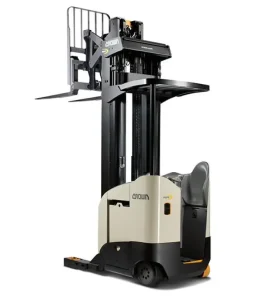
A reach truck is built for warehouse efficiency,especially narrow aisles and high racking. Its design helps operators place pallets precisely at height in tighter spaces than standard counterbalance units. If your operation is mainly indoor storage with racking, a reach truck is often the better match because it prioritizes maneuverability and high-stack placement over outdoor versatility.Pallet Jack
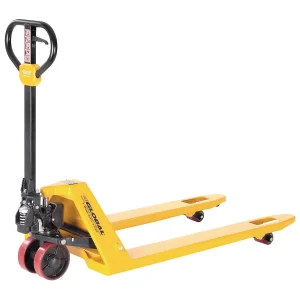
A pallet jack (manual or electric) is the simple workhorse for short-distance pallet movement,great for loading bays, staging areas, and moving pallets across flat floors. It doesn’t replace a forklift for high lifting, but it’s incredibly useful for quick internal transfers, truck loading assistance, or tight zones where a full forklift isn’t practical.Telehandler
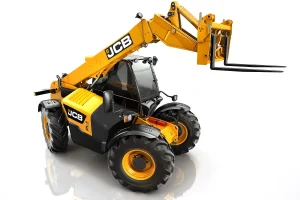
A telehandler (telescopic handler) is designed for jobs that need more reach and rougher site capability. It’s common on construction sites and outdoor works where uneven ground, long reach, or placing loads at distance matters more than tight aisle turning. Think of it as a heavy-duty option when a standard warehouse forklift isn’t enough.
Also Read: 7 Different Types of Forklifts You Should Know
Other Common Forklift Types
Beyond the four main categories above, you’ll often see specialized machines depending on the job:
- Order picker: for picking stock at height in racking systems
- Side loader: for long loads like timber, pipes, or panels
- Rough terrain forklift: for uneven outdoor surfaces
- Walkie stacker: for stacking and light lifting in tighter indoor spaces
If you like a “bigger picture” classification approach, OSHA’s overview of powered industrial truck classes is a useful reference when comparing equipment categories.
How to Choose the Right Forklift Type
Start with your actual operating conditions. Identify your typical load weight and dimensions, then factor in lift height requirements and where the machine will run most of the time (indoor aisles vs outdoor yards). Aisle width and turning radius matter more than many teams expect,choosing the wrong type can slow every movement because the operator is constantly repositioning. If you’re still deciding, it’s often easiest to compare your choices through a single equipment list like rental equipment options so you can shortlist based on your timeline and site constraints.
Safety and Operator Considerations
Forklift selection and forklift safety go together. The wrong machine in the wrong environment increases tip risk, poor visibility issues, and traffic conflicts, especially in mixed pedestrian zones. For a Singapore-focused safety reference (hazards, controls, and operating practices), the WSH Council’s Guidelines on Safe Operation of Forklift Trucks is a solid resource to align with site procedures.
Also Read: 5 Machine Maintenance Tips for Industrial Settings
Get the Right Forklift with RR Machinery
Choosing the right forklift isn’t just about lifting capacity or mast height. What matters even more for day-to-day site and facility operations is having equipment that’s ready to work and backed by responsive servicing. With proper planning, you can reduce downtime, keep productivity steady, and complete jobs more safely and efficiently.
Every project is different. Some teams need a short-term solution for a specific job, while others prefer to invest in ownership for long-term use. Many also rely on technical support and maintenance to keep equipment performing reliably over time. Working with one supplier that can support rental, sales, and servicing makes the process smoother and helps avoid delays on-site.
To explore options, you can browse forklift rental options, compare rental equipment, or check sales enquiries. If you need servicing help, check Servicing & Support.
Need a quick recommendation or a quotation? Contact our team for a faster response.