

Understanding concrete block types is essential in modern construction because these blocks play a major role in building strength, durability, and structural performance. Concrete blocks are widely used in residential, commercial, and industrial construction due to their versatility, cost efficiency, and long service life. Selecting the correct block type helps improve structural stability, insulation, and construction efficiency.
Concrete blocks are manufactured from cement, sand, aggregate, and water, then molded into standardized shapes and sizes. Different block types are designed for specific structural functions such as load-bearing walls, partition walls, insulation, and decorative finishes. Knowing the differences between these blocks helps contractors and builders choose the most suitable material for each construction requirement.
What Are Concrete Blocks
Concrete blocks, also known as concrete masonry units (CMU), are precast construction materials used to build walls, foundations, and structural elements. These blocks are known for their strength, durability, and resistance to weather, fire, and pests. Because of their uniform shape, concrete blocks allow faster construction and consistent quality across projects.
In large-scale construction and infrastructure projects, concrete blocks are often combined with heavy equipment and lifting machinery to improve efficiency and material handling during building processes. Understanding material selection is just as important as planning equipment usage in modern construction environments.
Material Composition and Variations
Concrete blocks are primarily made from a mixture of cement, sand, aggregate, and water, but the specific composition can vary depending on the intended use and desired properties. For example, standard concrete blocks use regular aggregates like gravel or crushed stone, while lightweight blocks may incorporate expanded clay, shale, or pumice to reduce weight and improve insulation. Some variations, such as cinder blocks, use industrial byproducts like fly ash or cinders as part of the aggregate mix. Additives and admixtures can also be included to enhance workability, strength, or durability. These material variations allow manufacturers to produce blocks with specific characteristics, such as increased load-bearing capacity, improved thermal performance, or enhanced resistance to moisture and chemicals, making concrete blocks adaptable to a wide range of construction needs.
Also read : Shear Wall in Construction: What It Is, How It Works, and Why It Matters
Manufacturing Process
The manufacturing process of concrete blocks involves several key stages to ensure strength, consistency, and quality in every unit. It begins with material preparation, where cement, sand, aggregate, and water are precisely measured and thoroughly mixed to create a uniform concrete blend. This mixture is then poured into molds that define the final size and shape of each block.
After molding, the fresh blocks undergo a curing process in a controlled environment with regulated temperature and humidity to achieve optimal strength and prevent early cracking. Each batch of blocks is also subjected to quality control procedures, including tests for compressive strength, dimensions, and durability, to meet industry standards. Through this standardized manufacturing process, concrete blocks are produced with reliable performance for a wide range of construction needs.
Sizes, Shapes, and Aesthetic Options
Concrete blocks are available in a wide range of sizes, shapes, and aesthetic finishes to meet diverse construction and design needs. Standard sizes, such as 8 x 8 x 16 inches, are commonly used for walls and foundations, while smaller or larger blocks can be selected for specific structural requirements. In terms of shape, options include standard rectangular blocks, corner blocks, bullnose blocks with rounded edges, and lintel blocks designed for openings above doors and windows.
Beyond functional variety, concrete blocks can also be produced in various colors and surface textures, such as smooth, split-faced, or scored finishes. These aesthetic options allow builders and architects to achieve both structural performance and visual appeal, ensuring that concrete blocks can complement a wide range of architectural styles and project requirements.
Industry Standards and Compliance
To ensure safety, durability, and performance, concrete blocks must meet established industry standards and regulatory requirements. These standards, such as ASTM C90 for load-bearing concrete masonry units, define critical criteria for compressive strength, dimensional tolerances, and material quality.
Compliance with these regulations is essential for both manufacturers and builders, as it guarantees that concrete blocks are suitable for structural use and can withstand environmental stresses. Regular testing and certification processes help maintain consistent quality and provide confidence to architects, engineers, and contractors that the products used in construction meet all necessary safety and performance benchmarks.
Main Concrete Block Types
Concrete blocks come in various forms, each designed for specific structural and functional purposes. Below are the most common concrete block types used in construction.
Solid Concrete Blocks
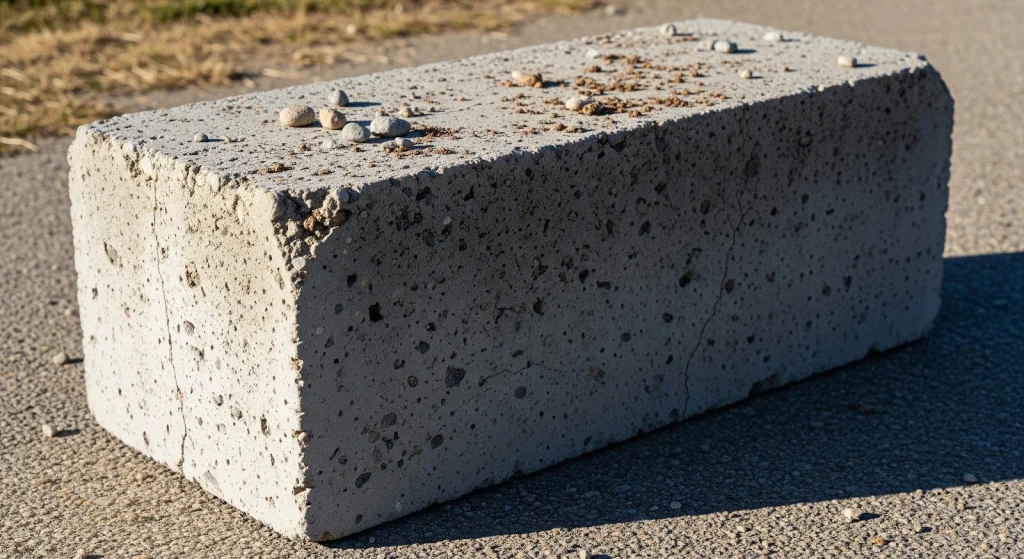
Solid concrete blocks are dense and strong, making them ideal for load-bearing structures and foundations. Because they contain minimal hollow space, they provide excellent strength and durability. These blocks are commonly used in structural walls where high load capacity is required.Hollow Concrete Blocks
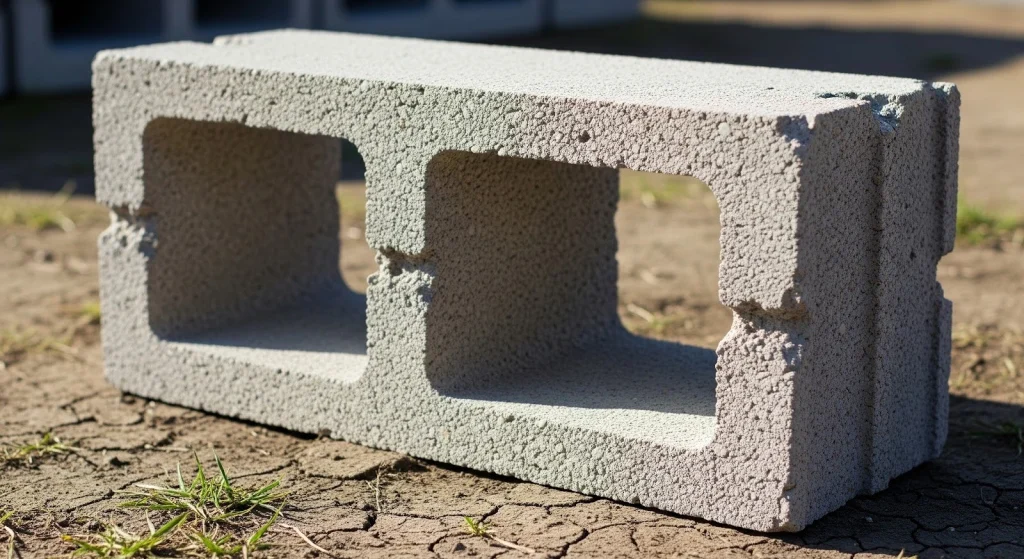
Hollow blocks are lighter than solid blocks and contain hollow cavities that improve insulation and reduce weight. These blocks are widely used for partition walls and general construction because they provide good strength while making handling and installation easier.
The hollow cores also allow reinforcement with steel bars and concrete filling, improving structural integrity and load resistance in building construction.Also read : Types of Construction Lifts and Their Uses in Modern Projects
Aerated Concrete Blocks
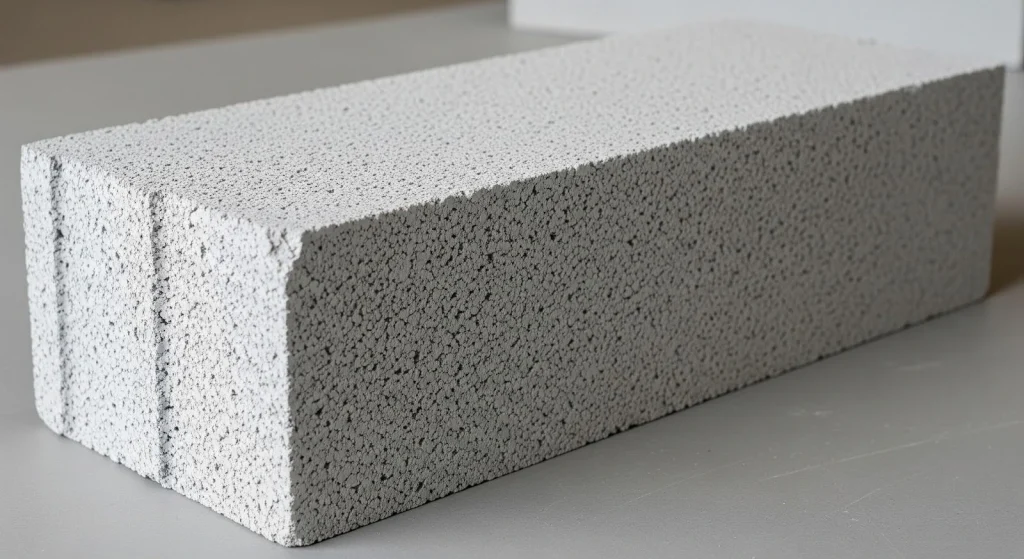
Aerated concrete blocks, often referred to as AAC blocks, are lightweight and provide excellent thermal insulation. These blocks are commonly used in modern construction where energy efficiency and lightweight materials are important. Because of their low density, they reduce structural load while maintaining sufficient strength.
Concrete Stretcher Blocks
Stretcher blocks are commonly used in the middle portion of walls and are placed lengthwise. They are one of the most frequently used block types in wall construction due to their simple design and versatility.
Corner Blocks
Corner blocks are designed for use at wall corners, providing smooth edges and structural continuity. They help maintain wall alignment and improve construction accuracy.
Pillar Blocks
Pillar blocks are used to create vertical columns or pillars. These blocks are designed to accommodate reinforcement bars and concrete filling, increasing structural strength for vertical support elements.
Lintel Blocks
Lintel blocks are used above doors and windows to support loads from the structure above. These blocks are designed to hold reinforcement and concrete, forming a strong horizontal beam within masonry construction.
Advantages of Using Concrete Blocks
Concrete blocks offer many benefits that make them a preferred construction material:
- High strength and durability
- Fire and weather resistance
- Good thermal and sound insulation
- Faster construction compared to traditional bricks
- Cost-effective and widely available
- Low maintenance and long lifespan
These advantages make concrete blocks suitable for residential buildings, commercial structures, and industrial construction projects.
Applications of Different Concrete Block Types
Concrete blocks are used in many areas of construction:
- Structural and load-bearing walls
- Partition and non-load-bearing walls
- Foundations and basements
- Boundary and retaining walls
- Commercial and industrial buildings
Modern construction often integrates efficient material handling and equipment planning to improve productivity when working with heavy building materials, especially in large-scale construction environments.
Choosing the Right Concrete Block Type
Selecting the right concrete block depends on structural requirements, load capacity, insulation needs, and project design. For load-bearing structures, solid blocks or reinforced hollow blocks are commonly used. For lightweight construction and insulation, aerated blocks provide better performance.
Builders also consider construction efficiency, equipment handling, and project workflow when choosing building materials. Proper planning ensures better construction quality and long-term structural reliability.
Quality, Handling, and Construction Efficiency
Using high-quality concrete blocks ensures durability and long-term performance. Proper storage, handling, and installation are important to prevent damage and maintain structural integrity. In modern construction, efficient handling of building materials often relies on proper planning, equipment selection, and workflow optimization to ensure safe and smooth operations.
Understanding both material selection and equipment usage helps improve overall construction efficiency and productivity. Proper planning, safe handling practices, and the use of suitable construction equipment can reduce material waste, improve workflow coordination, and ensure smoother operations throughout different stages of the construction process.
Also read : Fuel Saving Tips for Construction Equipment and Heavy Machinery Operations
Conclusion
Understanding different concrete block types helps builders and contractors select the right materials for stronger, safer, and more efficient construction. From solid and hollow blocks to aerated and reinforced blocks, each type serves a specific function in modern building design.
Choosing the correct concrete block improves structural stability, insulation, and long-term performance, making it a critical factor in successful construction projects.
Get the Right Concrete Block and Construction Support
Choosing the right concrete block type is essential for building strength, durability, and long-term structural performance. At RR Machinery, you can explore dependable construction equipment solutions to support material handling, lifting, and on-site productivity.
If you need guidance in selecting the most suitable equipment for handling concrete blocks, masonry materials, or other construction needs, our team is ready to help. Contact us for practical recommendations and a clear quotation tailored to your project requirements.


