Understanding different types of lifting equipment is essential for industries that rely on moving heavy loads safely and efficiently. From construction sites to warehouses and industrial facilities, lifting equipment plays a vital role in improving productivity while reducing manual handling risks.
By choosing the right equipment and applying proper safety practices, businesses can ensure smoother operations and create a safer working environment.
What Is Lifting Equipment?
Lifting equipment refers to machinery or devices designed to lift, lower, or move heavy loads with minimal manual effort. These tools are widely used across various industries to improve efficiency and reduce the risk of injury.
Common examples include cranes, hoists, forklifts, and aerial platforms. Each type serves a specific purpose depending on the task and environment.
Understanding how these tools function is key to selecting the most appropriate solution for your operational needs.
Why Is Lifting Equipment Important?
Lifting equipment plays a critical role in reducing manual labor and preventing workplace injuries. Handling heavy loads without proper tools can increase the risk of accidents and reduce productivity.
With the right equipment, tasks can be completed more efficiently, safely, and with greater precision. This is especially important in industries where heavy materials are frequently moved.
Incorporating lifting equipment into daily operations also helps businesses comply with safety standards and improve overall workflow.
Also read : Types of Aerial Work Platform and Their Common Uses
Common Types of Lifting Equipment
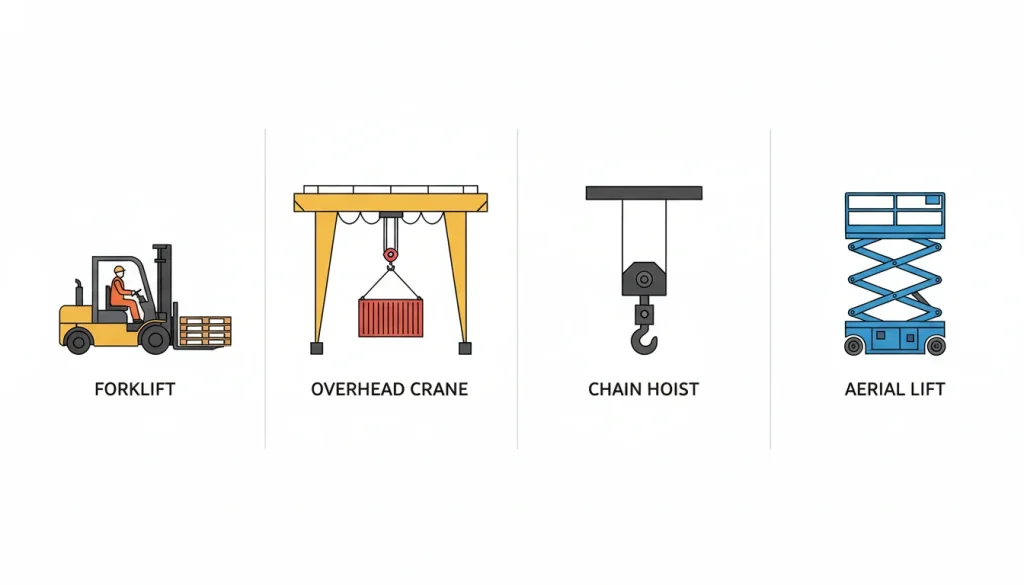
There are several types of lifting equipment used in modern industries, each designed for specific applications.
Cranes
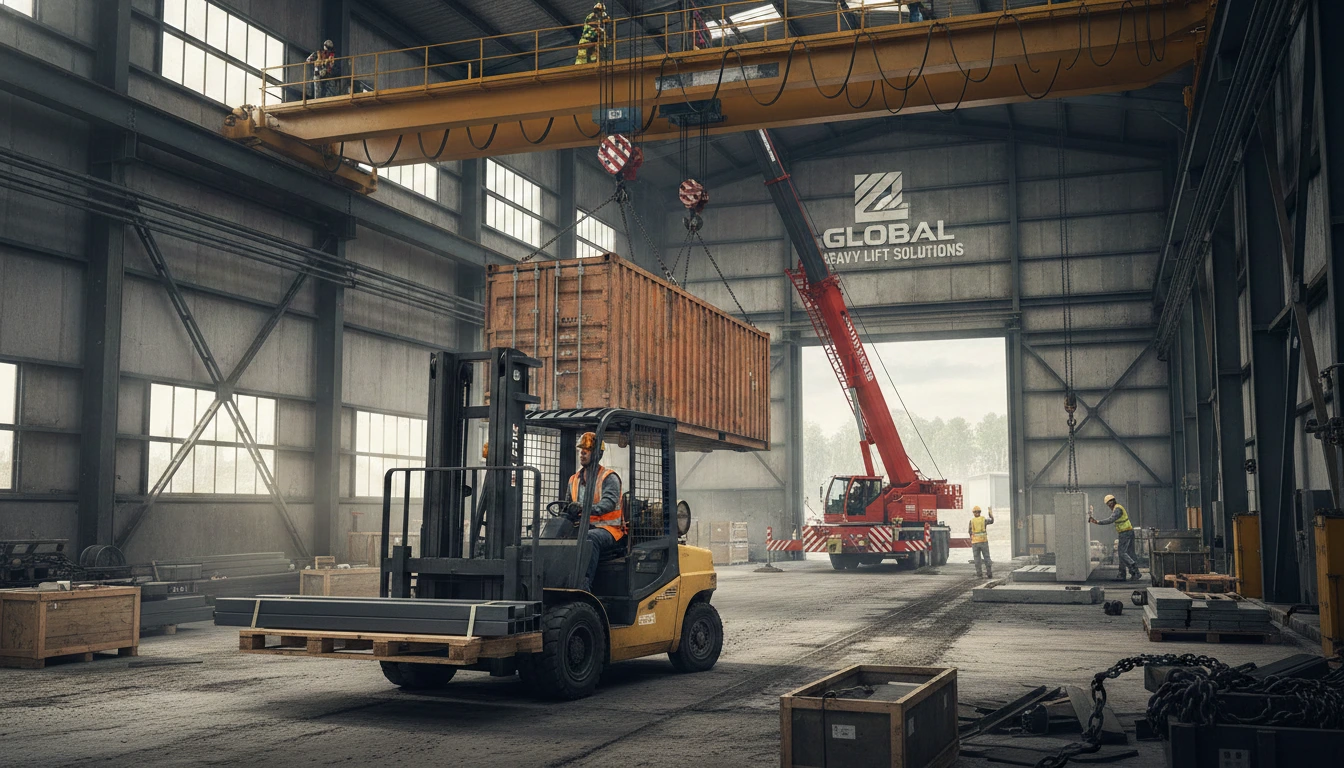
Cranes are used for lifting and moving heavy loads over long distances. They are commonly found in construction and infrastructure projects.
Different types of cranes include tower cranes, mobile cranes, and overhead cranes, each suited for different operational needs.
Forklifts
Forklifts are essential for transporting materials within warehouses and logistics environments. They are versatile and can operate in confined spaces.
They are widely used for loading, unloading, and stacking goods efficiently.
For a deeper understanding of how forklifts and similar tools are used, you can explore material handling equipment types in modern operations.
Hoists
Hoists are used to lift loads vertically using chains or ropes. They are commonly found in workshops and industrial facilities.
They provide precise control and are ideal for lifting tasks that require accuracy.
Aerial Lifts
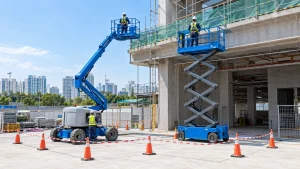
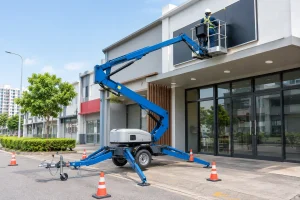
Aerial lifts are designed to elevate workers and tools for tasks at height. These include scissor lifts, boom lifts, and vertical mast lifts.
They are commonly used in maintenance, installation, and inspection work. You can learn more about their functionality in this guide on what is an aerial lift and how it works.
Lifting Accessories
Accessories such as slings, chains, and hooks are used alongside lifting equipment to secure loads safely.
Choosing the right accessories is essential to ensure safe lifting operations and prevent accidents.
Also read : Types of Construction Lifts Guide for Safe and Efficient Work at Height
How to Choose the Right Lifting Equipment
Selecting the right lifting equipment depends on several factors, including load capacity, working height, and environment.
Businesses should evaluate their operational requirements carefully to ensure the equipment meets safety and performance standards.
Understanding equipment load limits and crane lifting capacity can help prevent overloading and reduce safety risks.
Safety Considerations When Using Lifting Equipment
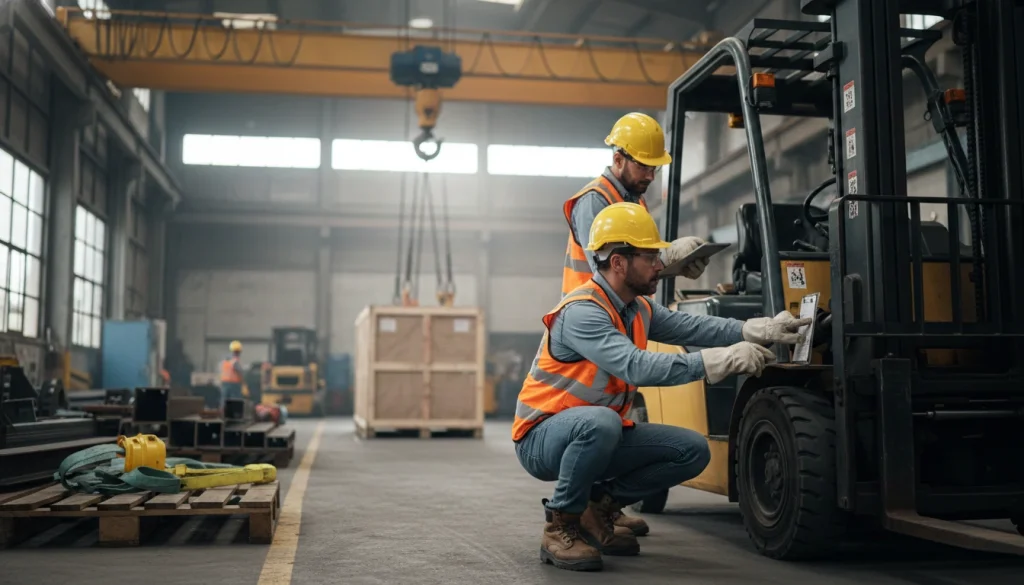
Safety should always be a top priority when using lifting equipment. Improper use can lead to serious accidents and operational delays.
Key safety measures include regular inspections, proper operator training, and adherence to load limits.
Following established guidelines such as working load limit standards for lifting equipment safety helps ensure safe operations and reduces risks.
Maintenance of Lifting Equipment
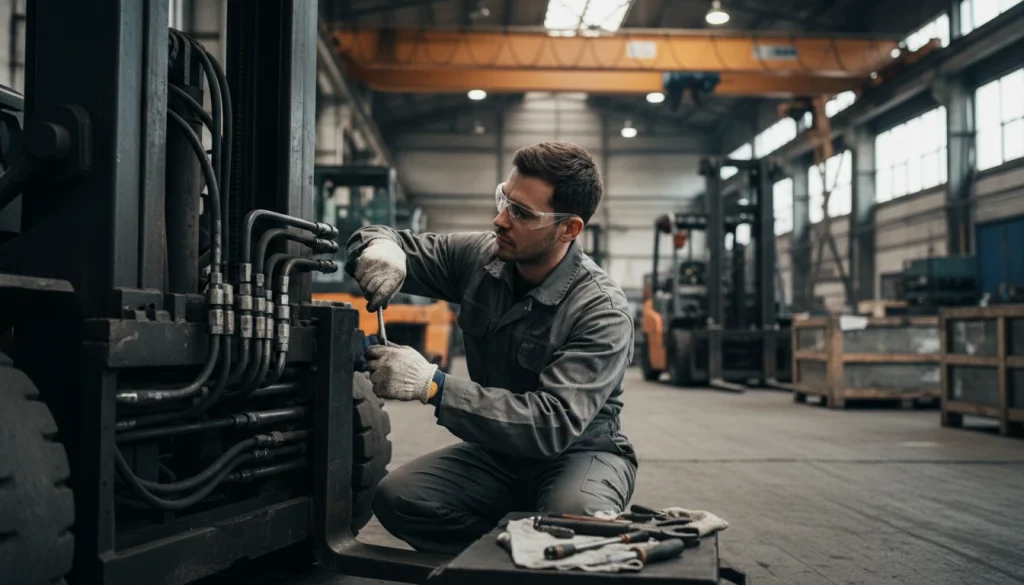
Routine maintenance is essential to keep lifting equipment functioning properly. Regular inspections help identify issues before they lead to equipment failure.
Maintenance activities should include checking mechanical components, testing safety features, and replacing worn parts.
A well-maintained system ensures reliability and extends the lifespan of equipment.
Applications of Lifting Equipment
Lifting equipment is widely used across various industries:
Construction
Used for transporting heavy materials and supporting structural work.
Warehousing
Helps manage inventory and move goods efficiently.
Manufacturing
Supports machinery installation and production processes.
Maintenance
Used for repair and inspection tasks, especially at height.
These applications demonstrate how essential lifting equipment is in modern operations.
Also read : Boom Lift vs Scissor Lift: What’s the Difference?
Benefits of Using the Right Lifting Equipment
Using appropriate lifting equipment offers several benefits:
- Improved efficiency and productivity
- Reduced manual labor
- Enhanced safety
- Faster project completion
Businesses that invest in the right tools can optimize operations and maintain safer working conditions.
Future Trends in Lifting Equipment
Advancements in technology continue to shape the future of lifting equipment. Innovations include automation, smart controls, and energy-efficient designs.
These developments aim to improve safety, reduce environmental impact, and enhance operational efficiency.
Reliable Equipment Solutions for Your Operations
Understanding different types of lifting equipment helps businesses choose the right tools for safe and efficient operations. By selecting appropriate equipment, following safety guidelines, and ensuring regular maintenance, companies can improve productivity while minimizing risks.
Reliable equipment and professional support are essential for maintaining smooth operations. If you are looking for trusted lifting equipment services and maintenance solutions, explore our available services or reach out to our team for expert assistance tailored to your business needs.