Understanding the types of tractors is essential across agriculture, construction, and industrial sectors. Tractors are powerful machines designed to deliver traction, pulling force, and operational efficiency for a wide range of tasks. From farming and land preparation to hauling heavy loads and supporting construction projects, tractors play a critical role in improving productivity and workflow efficiency.
Modern tractors are engineered with advanced engines, hydraulic systems, and versatile attachments that allow them to perform multiple functions. Choosing the correct tractor type helps optimize performance, reduce operational downtime, and improve overall project efficiency.
What Is a Tractor
A tractor is a heavy-duty vehicle designed to generate high torque at low speeds, making it suitable for pulling, pushing, and powering equipment. Tractors are commonly used in agriculture for plowing, planting, and harvesting, while in construction they support material movement, land grading, and hauling operations.
In modern industrial environments, equipment selection and machine capability must align with operational needs, similar to how companies plan material handling equipment used in industrial operations to improve productivity and workflow coordination.
Also read : Types of Material Handling Equipment Used in Industrial Operations
Main Types of Tractors
There are several types of tractors, each designed for specific tasks and working conditions. Understanding these categories helps operators choose the most suitable tractor for their application.
Utility Tractors

Utility tractors are versatile machines used for general-purpose tasks such as hauling, lifting, and light construction work. They are commonly used in agriculture, landscaping, and industrial maintenance because of their flexibility and moderate power output.Row Crop Tractors

Row crop tractors are designed specifically for agricultural operations such as planting, spraying, and harvesting crops. These tractors provide adjustable wheel spacing and high ground clearance, allowing them to operate efficiently between crop rows without damaging plants.Compact Tractors
Compact tractors are smaller machines used for light-duty tasks such as landscaping, gardening, and small-scale farming. Their smaller size makes them suitable for confined spaces while still providing sufficient power for basic operations.
Industrial Tractors

Industrial tractors are built for heavy-duty construction and material handling tasks. These machines are commonly used in construction sites for towing, hauling, and supporting equipment operations. Their strong frame and powerful engines allow them to handle demanding environments.
In construction workflows, heavy machinery often works together to improve efficiency and safety, similar to how teams coordinate construction equipment usage in modern construction environments to ensure smooth operations.Garden Tractors
Garden tractors are designed for residential and landscaping use. They are typically used for mowing, soil preparation, and light hauling. Although smaller than other tractor types, they are useful for maintenance and property management.
Also Read : Construction Equipment Names and Their Functions Explained
Orchard Tractors
Orchard tractors are specialized machines designed to work in orchards and vineyards. Their compact design allows them to maneuver easily between trees while performing tasks such as spraying and hauling.
Earthmoving Tractors
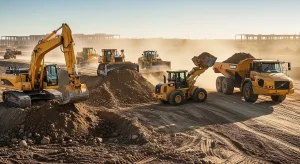
Earthmoving tractors are heavy machines used in construction and infrastructure projects for pushing soil, grading land, and hauling heavy materials. These tractors are designed for tough terrain and large-scale operations.
Applications of Different Tractor Types
Tractors are used across multiple industries due to their versatility and power. Common applications include:
- Agricultural farming and land preparation
- Construction and earthmoving operations
- Hauling and towing heavy loads
- Landscaping and property maintenance
- Industrial and material handling operations
Efficient workflow planning and machine coordination help improve productivity, similar to strategies used in equipment productivity and operational efficiency planning within heavy machinery environments.
Advantages of Using Tractors
Tractors offer many advantages that make them essential equipment:
- High pulling and traction power
- Versatile attachments and multi-function capability
- Durable and suitable for harsh environments
- Improved operational efficiency
- Reduced manual labor and time
These benefits make tractors valuable machines across agriculture, construction, and industrial sectors.
Choosing the Right Tractor
Selecting the right tractor depends on workload, terrain, and operational requirements. Utility tractors are suitable for general tasks, while industrial and earthmoving tractors are ideal for heavy-duty operations. Compact and garden tractors are better suited for smaller environments and light-duty work.
Understanding equipment capability and matching it with project requirements ensures better performance and long-term operational efficiency.
Safety and Maintenance Considerations
Proper maintenance and operator training are essential to ensure safe tractor operation. Routine inspection, lubrication, and servicing help extend equipment lifespan and reduce downtime. Safety practices such as proper load handling and terrain awareness are critical in preventing accidents and maintaining productivity.
Also read : Fuel Saving Tips for Construction Equipment and Heavy Machinery Operations
Conclusion
Understanding the different types of tractors helps operators and businesses select the right equipment for improved performance, safety, and efficiency. From compact and utility tractors to industrial and earthmoving machines, each type serves a specific purpose depending on the working environment and operational needs.
Choosing the correct tractor ensures smoother workflow, better productivity, and long-term reliability across agricultural, construction, and industrial applications.
Get the Right Tractor and Equipment Support
Selecting the right tractor is only one part of ensuring successful operations. Reliable equipment, proper handling, and professional support play a key role in improving efficiency and reducing downtime. Access to dependable machinery and servicing support helps maintain safe and consistent performance across different project environments.
At RR Machinery , you can explore reliable equipment solutions to support hauling, material handling, and construction productivity. If you need guidance in selecting the most suitable machinery for your operations, contact us for practical recommendations and tailored project support.