
Table of Contents
Working at height is common in construction, facilities maintenance, warehousing, and industrial sites. A mobile elevating work platform (MEWP) is one of the safest and most efficient ways to lift workers to height—when the right type is chosen and used correctly. In this guide, you’ll learn what MEWPs are, the common types, and how to pick the right one for your job.
What is a MEWP
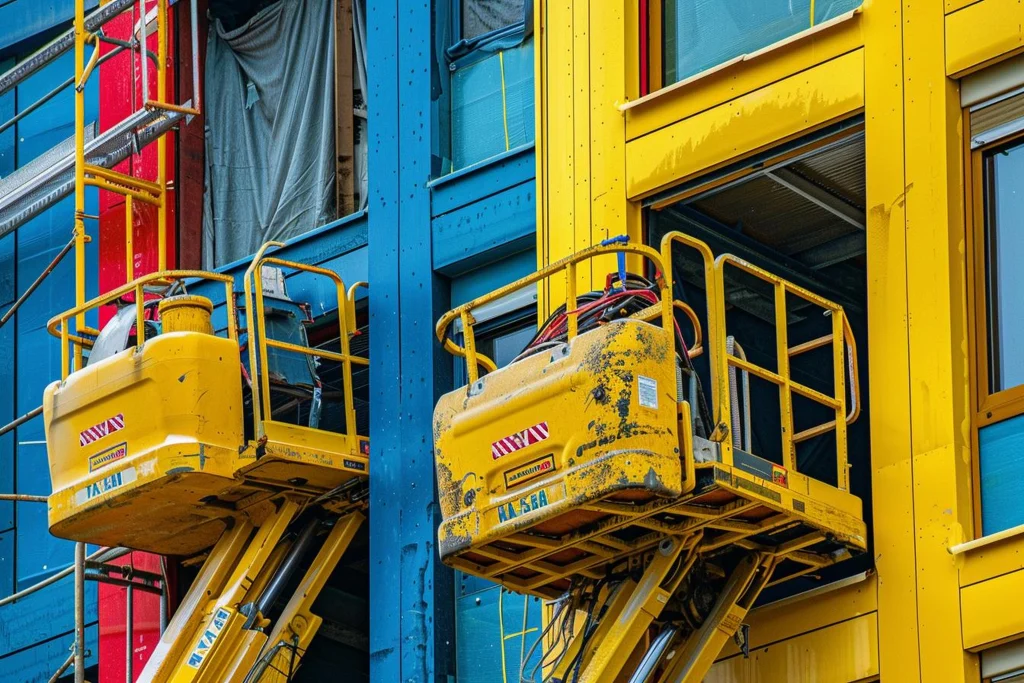
A MEWP is a machine designed to raise people to perform work at height using a platform (basket/deck). Unlike ladders or scaffolding, MEWPs are built for access work, with guardrails, controlled movement, and stable lifting systems.
If you’re planning work at height, it’s also worth aligning your procedures with local guidance like the Worker’s Safety Handbook for Work at Height from Singapore’s WSH Council.
Common Types of MEWPs
Most projects use one (or a mix) of these two MEWP types:
Scissor Lifts
Scissor lifts are ideal when you need stable vertical access, and you can view the available scissor lift models to compare working height and platform capacity.Boom Lifts
If the job requires reaching up and over obstacles, a boom lift is usually the better fit—take a look at the boom lift range to see what suits your site conditions and reach needs.
How to Choose The Right MEWP for Your Job
Before choosing a machine, check these practical factors:
Working Height and Reach
If you only need vertical access, a scissor lift is usually the simplest choice. If you must reach over machinery, racks, or site obstacles, a boom lift is often more suitable.Ground Conditions and Space
Indoor floors, narrow aisles, ramps, and uneven outdoor ground all affect what MEWP is safe and efficient to operate.Load and Usage
Consider how many workers will be on the platform, whether tools/materials need to go up, and how often the MEWP will be used each week.
Safety Basics You Shouldn’t Skip
MEWPs are designed for safer work at height, but the biggest risk usually comes from incorrect selection, unstable ground, or improper operation. Build a habit of checking:
- operator competency and site rules
- ground condition and exclusion zones
- pre-use inspection and battery/fuel status
- safe positioning before elevating
For Singapore workplaces, the WSH Council provides reference materials and guidance for work-at-height safety planning.
Should You Rent or Buy a MEWP?
If you’re using a MEWP for a short project window, rental can reduce upfront cost and simplify planning. If your team uses access equipment frequently, buying can be more cost-effective long term—especially when you pair it with reliable servicing support.
You can compare rental equipment or check heavy machinery for sale depending on your project needs.
Get the Right MEWP with RR Machinery
Choosing the right MEWP isn’t just about reaching the right height. What matters even more for day-to-day site and facility operations is having equipment that’s ready to work and backed by responsive servicing. With proper planning, you can reduce downtime, keep productivity steady, and complete jobs more safely and efficiently.
Every project is different. Some teams need a short-term solution for a specific job, while others prefer to invest in ownership for long-term use. Many also rely on technical support and maintenance to keep equipment performing reliably over time. Working with one supplier that can support rental, sales, and servicing makes the process smoother and helps avoid delays on-site.
To explore options, you can check boom lift options, compare rental equipment, or check heavy machinery for sale. If you need servicing help, check Servicing and Support.
Need a quick recommendation or a quotation? Contact our team for a faster response.


